
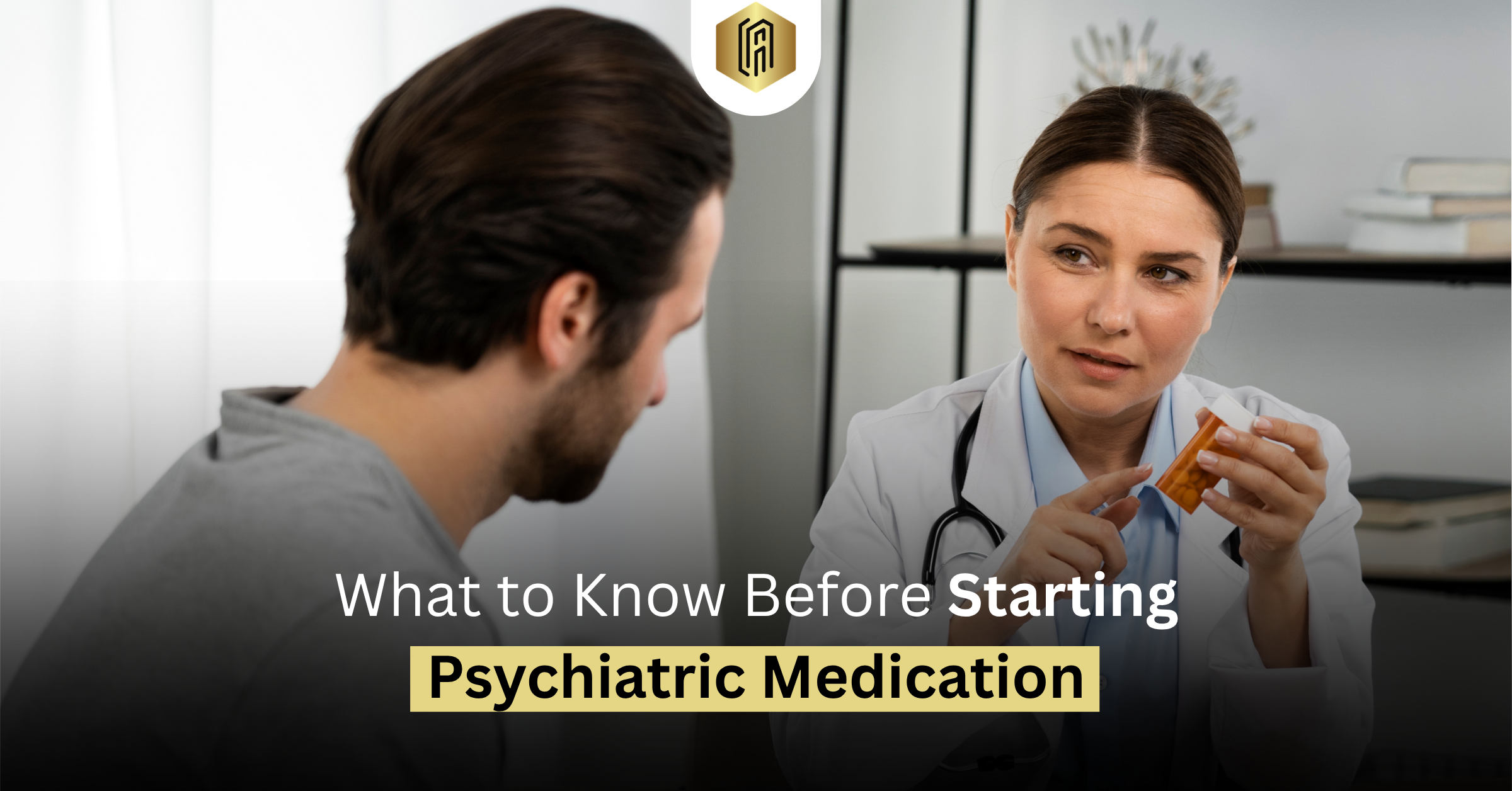
Deciding to start psychiatric medication is an important step, and it’s natural to have questions or concerns. At Ascension Psychiatric Services, we feel it is important that you are educated on your treatment choices so you can make informed decisions with confidence. Before beginning medication therapy, it is important to know what to expect from every treatment that is put into place, whether you are taking medication for depression, anxiety, ADHD, or any other mental health problem.
Why Medication Might Be Recommended
Medications may be helpful if symptoms are causing issues in life, relationships, work, or well-being. They may be a component of a comprehensive management strategy involving therapy, lifestyle modifications, and support services.
Medication is typically considered when non-medication approaches alone haven’t provided enough relief, or when symptoms are severe enough that quicker support is needed. Most importantly, it is always done on a joint basis. Your provider will look at the pros and cons of this option and discuss it with you based on your individual circumstances, past experiences, and objectives.
The Importance of a Thorough Evaluation
A thorough evaluation is very important before any prescription medications are written. This includes talking in great detail about your symptoms, your medical history, treatments that have been previously tried and/or tried to be avoided, family history, and your current life situations.
Your provider will also take into account other reasons why you may be feeling the way you are, such as sleep problems, physical illnesses or conditions, stress, or substance abuse. This will help the treatment plan be “your” plan and not a generic one for everyone. This assessment should focus on open and honest talks, setting the basis for successful care.
Understanding How Psychiatric Medications Work
Psychiatric medications act by rebalancing chemicals in the brain associated with mood, concentration, anxiety, sleep, and more. Various types of medications work on specific aspects of these processes. Antidepressant medications, for instance, affect serotonin or norepinephrine, and other medications may impact dopamine or other processes.
They help your brain to function better, not to change who you are. They don’t offer a quick remedy, but support your brain’s function over time. Your provider will discuss the particular medicine that is recommended for you in a simple, easy-to-understand way.
It is important to set realistic expectations and goals for your treatment and share them with your doctor.
Setting Realistic Expectations About Timing and Results
This is one of the most frequently asked questions we receive: “How long does it take to work?” Some psychiatric medications require a little patience; sometimes, some improvement can be noticed within a couple of weeks, but often it takes several more weeks for the full benefits to be experienced.
The timeline can feel frustrating at first, especially if side effects appear before the benefits. Knowing this in advance helps many people maintain consistency in their treatment. Your provider will discuss with you the kinds of changes to watch for and will set a follow-up schedule to check progress.
Common Side Effects and How to Manage Them
Like all medications, psychiatric medicines may have side effects. Common ones may include temporary nausea until your body adjusts to the medication, changes in appetite or sleep, fatigue, or other adjustments as your body acclimates. Many of these are likely to get better over time.
The important thing is to know what to expect and have a plan. Your provider will discuss potential side effects with you and explain which ones you should monitor closely. If anything feels concerning, reach out; adjustments to dose, timing, or even a switch may be possible. It can be helpful to document how you feel in a simple log to make later discussions more productive.
The Role of Lifestyle and Other Treatments
Medication is most effective when used in conjunction with healthy habits and other supports. Consistent sleep, nourishing meals, exercise, therapy, and stress management all help improve outcomes. Indeed, these elements can enhance how well medication works or may reduce the amount needed over time.
A whole-person approach is emphasized at Ascension Psychiatric Services. Medication is one tool, not the only one, and we collaborate with you to build a well-rounded plan that fits your life.
Questions to Ask Your Provider Before Starting
Being actively involved in your care makes a big difference. Here are a few important questions to ask:
- For what specific symptoms is this medicine used to treat?
- How will we measure if it is working?
- What side effects should I watch for, and what should I do if they occur?
- Are there any interactions with other medications, supplements, or foods?
- For how long should this medication be taken?
- What is our plan for follow-up and monitoring?
Jot down the questions you wish to ask in advance to make sure you receive all the answers you need.
Practical Tips for Getting Started Successfully
- Follow instructions: Be consistent even if you feel better (or don’t notice improvement right away).
- Maintain communication: Keep in touch with your provider, particularly during the first weeks.
- Give yourself time: It takes time to adjust to medication, and it’s okay to be patient while finding the right fit.
- Build support: Let trusted people know what you are going through if it feels right, and consider therapy alongside medication.
- Avoid self-adjusting: Do not increase, decrease, or stop the medication without guidance, as this may cause discomfort.
When to Reach Out for Help
Call the provider right away if symptoms get worse, if you have serious side effects, or if you have thoughts of harming yourself. In an emergency, use crisis resources or go to the nearest emergency room. Early communication can often prevent bigger problems and keep treatment on track.
A Collaborative Path Forward
Deciding to start psychiatric medication is a personal choice, and there is no shame in seeking help; it is a sign of strength and self-care. At Ascension Psychiatric Services, we deliver compassionate, patient-centered care led by Anthony J. Hall, MSN, APRN, PMHNP-BC, through convenient virtual visits across multiple states.
We strive to make you feel heard, informed, and supported throughout the entire process.
Ready to explore your options? Contact Ascension Psychiatric Services for a consultation. We are here to help you address your concerns and work toward better mental health.
FAQs
Will I have to take psychiatric medication forever?
Not necessarily. The length of treatment varies by person. Some people take medication for a few months, while others benefit from longer-term use. Your provider will work with you to determine the best duration for your situation.
Can I stop the medication if I start feeling better?
It’s important not to stop suddenly without talking to your provider. Many medications need to be tapered gradually to avoid uncomfortable withdrawal effects. Always discuss any changes with your psychiatric provider first.
The information contained herein is for educational purposes only and is not a substitute for professional medical advice. Always consult with a qualified healthcare provider regarding your specific health needs and treatment options.






No comment