
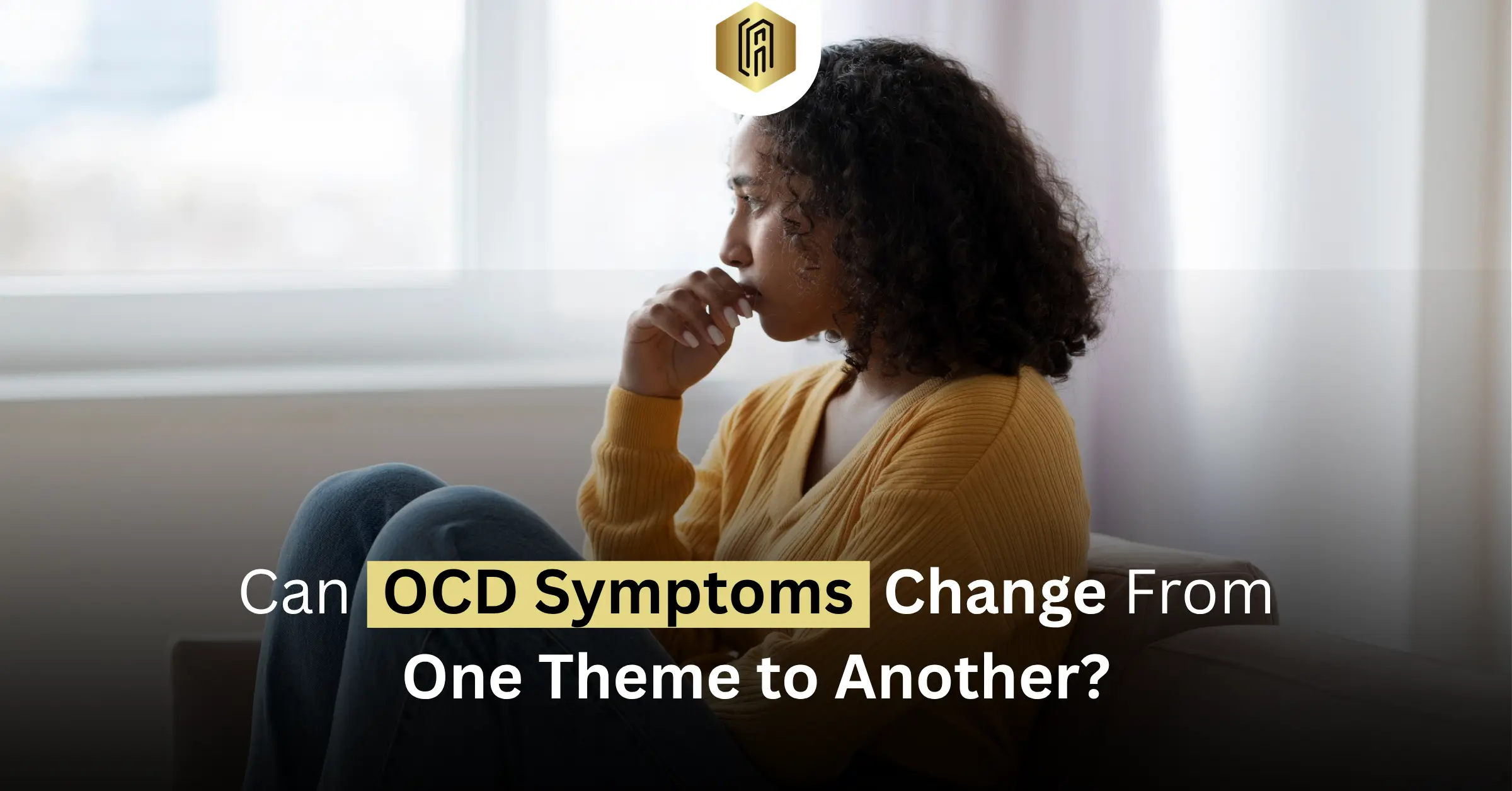
If you have OCD, you could find that your obsessions and compulsions vary over time. One stage might be marked by fears of contamination and washing, another marked by fears of damage, relationships, morals, or other themes. This can be frustrating, but changing themes are frequent in OCD, and don’t necessarily signal your disorder is getting worse or that treatment is failing.
At Ascension Psychiatric Services, we educate our patients to comprehend these patterns and to learn to respond successfully even when OCD themes alter.
What We Mean by OCD Themes
Obsessive-Compulsive Disorder (OCD) is characterized by unwelcome and intrusive thoughts, ideas, or urges (obsessions) that cause distress, and repetitive mental or behavioral acts (compulsions) that are performed to reduce that suffering or prevent an undesirable event. The content of these obsessions and compulsions is generally organized into themes or dimensions.
Some common themes are:
- Cleaning & contamination
- Harm or duty to prevent damage
- Forbidden or improper ideas (aggressive, sexual, religious content)
- Symmetry, order, or “just right” feelings
- Question of relationship
- Physical or health concerns
These themes are the surface content. The same fundamental cycle is at the root of them all: An intrusive thought creates some anxiety or discomfort. A compulsion provides temporary relief from that discomfort. The loop gets stronger over time.
Yes, Themes Can Shift
Many people with OCD find that their principal themes vary over a period of months or years. One dominant motif may become quieter, while another becomes louder. Often there are several themes running at the same time, and one of them feels more dominant depending on life circumstances.
This change is an established aspect of the illness and not an indicator of extraordinary severity or treatment failure. OCD tends to grab whatever feels most essential, most uncertain, or most scary at any particular time. The content of the anxieties might also alter when values, relationships, pressures, or life stages change.
For example, a person who has been preoccupied with contamination could develop obsessions with the appropriateness of relationships or moral purity. Another might move from fear of checking to intrusive thoughts of danger. On the surface, the issues appear to diverge, but the basic demand for clarity and the compulsion to neutralize suffering remain the same.
Why Theme Shifting Happens
Some reasons can help explain why OCD content can change:
- OCD attacks what matters. The disease often attaches itself to core ideals, duties, or identities. Those priorities alter with time, with new relationships, motherhood, work changes, or personal growth, and the focus of obsessions might vary as well.
- The need for clarity goes on. When one source of uncertainty is partly handled (via treatment or life adjustments), the mind may look for additional causes of doubt. OCD is less about the specific subject matter and more about intolerance of ambiguity and the need to relieve discomfort.
- Life changes and stress. Some themes can be triggered or intensified by big changes, added stress, or times of high emotion.
- Progress in a field. Ironically, when the person learns to respond differently to one set of obsessions, OCD may “test” new material. This does not mean that earlier gains are lost, but demonstrates the adaptive quality of the illness.
Realizing that shifting themes is typical can decrease the sensation that each new dread is a start-over.
What Stays the Same Beneath the Surface
Even if the themes alter, the structure of OCD is the same. An intrusive thought or picture, a rise in anxiety or discomfort, a want to do a compulsion (either visual or mental), and temporary respite that reinforces the cycle are still there.
In fact, this regularity helps treatment. Because the procedure is the same, skills used to respond to one theme often transfer to others. You don’t require all new methods for every change in content.
How Treatment Addresses Shifting Themes
Exposure and Response Prevention (ERP) is the best-evidenced treatment for OCD. It focuses on the process, not just the content. ERP is a process of gradually exposing a person to triggers for their obsessions while resisting the temptation to do compulsions. This gradually diminishes the connection between the intrusive idea and the compulsive behavior.
The same thing when the themes change:
- Identify the new fixation and the compulsions (including mental rituals such as checking, neutralizing, or seeking confirmation).
- Start practicing exposure to the dreaded information or uncertainty and stop doing your typical responses.
- Develop tolerance for discomfort and uncertainty, not the desire for total clarity regarding the new theme.
A clinician knowledgeable in ERP can assist in keeping the treatment flexible and focused on the underlying causes. Further reduction of symptoms across themes can be achieved with medication, if indicated.
Practical Tips When Themes Begin to Shift
Watch the change and don’t think of it as a disaster. Calling it “OCD content changing” can create a useful distance.
- Use the same methods you’ve already learned: watch the thinking, notice the urge, and let the discomfort increase and fall.
- Don’t over-reassure yourself or explore the new theme; this can make the cycle more powerful.
- Keep a basic record of the new triggers and responses so that you and your provider may make effective modifications to the treatment plan.
- Remember, improvement is about how you respond to OCD, not whether a particular theme goes away forever.
- Regular routines surrounding sleep, stress management, and daily structuring are important to enhance overall resilience.
Theme shifting may feel disheartening in the moment, but each time you respond differently, you hone skills that apply across content areas.
When to Seek Support
If new themes are causing you significant distress, interfering with your day-to-day life, or making it difficult to use coping methods that have helped you in the past, contact a knowledgeable provider. This can be assessed to see if it fits the OCD cycle and can help you figure out what to do next in treatment.
Ascension Psychiatric Services provides virtual visits for OCD & related concerns with compassionate, evidence-informed care. Our team is led by Anthony J. Hall, MSN, APRN, PMHNP-BC, who helps patients grasp the complete story of their symptoms, including the changing themes, and create practical ways of making lasting change.
Moving Forward with Greater Flexibility
OCD symptoms can shift from one theme to another. This shape-shifting quality is not uncommon and does not mean that treatment is failing. The underlying process of obsessions, anxiety, and compulsions is the same, so skills that are helpful for one theme are transferable to other themes.
It is possible to reduce the power of OCD by concentrating on how you are responding to the fear, rather than on the content of the fear, even when the themes change. You don’t need to treat every new variation as if it were an entirely new disorder.
Ready to treat OCD symptoms? Contact Ascension Psychiatric Services to schedule a virtual consultation today. We are here to help you develop more flexibility and reduce the impact of OCD on your life.
FAQs
Does a change in OCD themes mean my previous progress is lost?
No. Improvements in response to a theme often transfer. Even if the content changes, the skills of tolerating uncertainty and resisting compulsions are still useful.
Is theme shifting a sign of more severe OCD?
Not so much. Many people with OCD have changes in themes over time. The presence of shifting content is a recognized characteristic of the disorder and not an automatic indicator of severity.
Does treatment need to start over with every new theme?
Typically, no. Effective approaches such as ERP focus on the process of OCD. The fundamental values are the same, but changes are made to accommodate the new content.
This post is for educational purposes only and is not intended as a substitute for professional medical advice. Always consult a qualified health care provider with any questions you may have regarding a medical condition or treatment.





No comment