
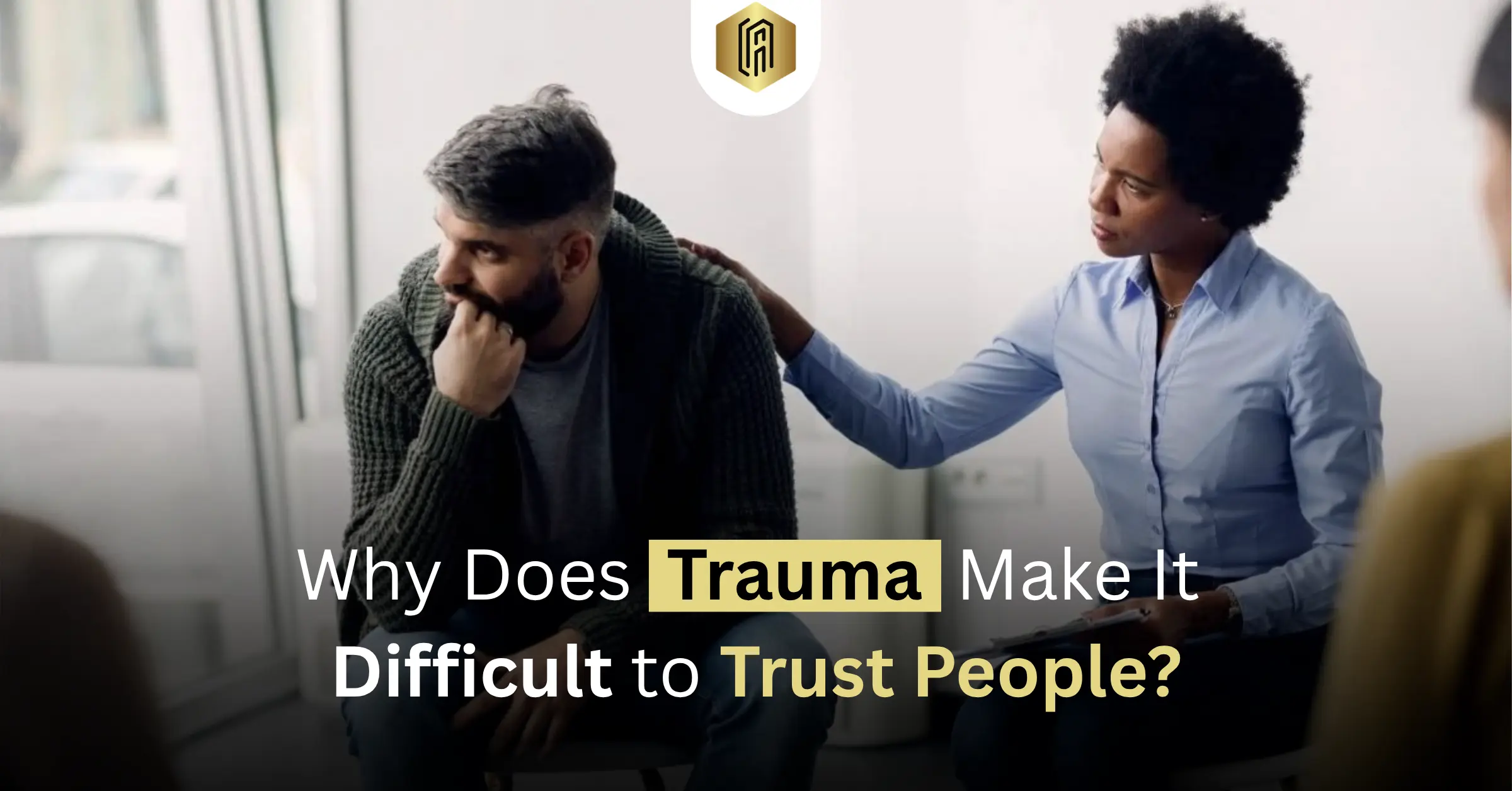
Trust is one of the building stones of a strong relationship. It allows us to feel comfortable enough to be open, to trust others, and to develop important connections. Many people who have suffered trauma, especially trauma that involves other people, find that trusting is dangerous or draining or even impossible. It’s not a personal weakness, or a symptom of being “too sensitive”. It’s typically a protective reflex that made sense at one time.
Understanding why this happens can help you blame yourself less and provide room for healing over time. In this post, we will look at the key reasons trauma blocks trust and offer practical insights that promote recovery.
Trauma Teaches the Nervous System That People Can Be Dangerous
Trauma, especially interpersonal trauma such as abuse, neglect, betrayal, or abandonment, sends a potent message to the brain and body: closeness can be dangerous. When the person who is supposed to provide safety becomes a source of threat, the nervous system responds by being extremely attentive to possible risk in relationships.
This adaptability is not a conscious choice. It is a survival reaction. When the brain has learned from experience that relying on others might hurt, it prioritizes security over connection. Years later, the same defensive systems can be triggered in conditions that seem the slightest bit like the original trauma.
Hypervigilance Keeps the Mind on High Alert
Trauma has long-term impacts, one of which is hypervigilance, a state of heightened awareness when you are constantly searching for threats. In relationships, this can look like:
- Always looking for evidence of rejection, anger, or betrayal in what others say, how they say it, or how they behave
- Interpreting neutral or ambiguous acts as being malicious
- Feeling tight or on edge even with those who have been consistent and kind
- Often wanting encouragement but having a hard time taking it all in
Hypervigilance once helped detect real danger. It may erode the everyday moments of a relationship over time. The mind is busy striving to stay safe, and there is little room for peaceful trust.
Attachment Patterns Shape Expectations of Others
Early relationships with caretakers build templates for how we expect to be treated by others. If those early relationships were marked by unpredictability, emotional unavailability, criticism, or injury, the patterns of attachment often continue throughout adulthood.
People with histories of trauma may have expectations such as:
- Someone will leave me or hurt me one day
- Depending on someone will lead to disappointment
- Showing weakness or need is an open invitation to rejection or exploitation
- I need to be self-reliant to be safe
These expectations are not always fully conscious, yet they influence how new relationships are approached and interpreted. Even when someone is trustworthy at the moment, the outdated template can color the encounter.
Beliefs About Safety and Vulnerability Take Root
Trauma often leaves us with deep beliefs about the world and other people. Common ideas are that you cannot trust people, that being vulnerable is bad, or that you need to be in charge so you don’t get harmed again. There’s a protective effect in these beliefs. They diminish openness and make it less likely to repeat prior pain.
The trouble is that beliefs that once protected can now get in the way of the very connections that bring about healing. Trust requires some risk and uncertainty. When the mind learns that uncertainty equals danger, the risk is almost impossible to take.
The Push-Pull of Wanting Connection and Fearing It
For many trauma survivors, there is often terrible inner conflict. Some of them are longing for closeness, understanding, and support. Another part remains deeply wary. This can translate into patterns of approaching others and then withdrawing, testing relationships, or feeling overwhelmed by intimacy even when desired.
This is not confused signals or inconsistency on purpose. It is an expression of two opposing needs: the human yearning for contact and the learnt need for protection. Both are valid responses shaped by experience.
Why Trust Feels Especially Hard After Relational Trauma
Not all traumas will impact trust in the same manner. Trauma that occurs within relationships betrayal by a partner, carer, friend, or someone in power often has a particularly potent effect. When harm comes from someone who was supposed to be safe, the lesson becomes broader: people in general may not be reliable.
This type of trauma might also impair trust in one’s own judgement. Survivors may wonder if they can really tell who is safe, adding yet more reason to be careful about new interactions.
Practical Ways to Begin Rebuilding a Sense of Safety
Trust takes time to create, and it’s rarely incremental in nature. It is constructed of recurrent experiences of safety, with others and with self. Helpful starting points are:
- Being aware of defensive reactions without judgement. Realizing the hypervigilance and the withdrawal as attempts to protect yourself might help lessen self-criticism.
- Begin with lower-stakes relationships or structured situations where consistency is more obvious.
- Viewing reliability trends over time, rather than expecting immediate certainty.
- Experimenting with modest doses of vulnerability and seeing the result.
- Building self-trust, learning to listen to internal indications regarding safety and boundaries.
- Seeking relationships and situations that exemplify respect, stability, and patience.
You can get a lot from professional help. Therapy offers a safe, controlled environment in which you can explore trust patterns, work through painful experiences, and learn new ways of communicating at a speed that is manageable.
How Treatment Can Support Trust Recovery
Trauma-informed psychiatric and therapeutic care is built on creating safety first. Approaches that respond to both the emotional and physiological effects of trauma can help to reduce hypervigilance, challenge inflexible protective beliefs, and slowly increase the capacity to relate. When used appropriately, medication can help manage symptoms, making deeper relational work more accessible.
Progress is often manifest as an increased ability to be present in relationships, lessening of threat responses, and increased flexibility in who and how much to trust.
Moving Toward Greater Relational Safety
Having trust issues after trauma is common and understandable. It is a reflection of the nervous system trying to prevent more damage from real past experiences. This protection had an important purpose in the past, but that doesn’t mean it has to be the only strategy available.
Over time, with the support of caring relationships and knowledgeable treatment, many people find they can learn to relate differently, more flexibly, which recognizes both the need for safety and the desire to connect.
At Ascension Psychiatric Services, we offer compassionate, trauma-informed virtual psychiatric care. Led by Anthony J. Hall, MSN, APRN, PMHNP-BC, our team works with patients to address the lasting effects of trauma on trust, relationships, and overall mental health. We create a supportive space to explore these challenges at a pace that feels manageable.
If your past experiences have made trust feel difficult or unsafe, please be aware that this response is logical and that support is available.
Ready to explore how trauma may be affecting your ability to trust and connect? Contact Ascension Psychiatric Services today to schedule a virtual consultation. We’re here to help you move toward greater safety and relational well-being.
FAQs
Is difficulty trusting after trauma a permanent change?
No. While protective patterns can feel deeply rooted, many people develop greater capacity for trust through consistent safety experiences, self-understanding, and professional support.
Why do I want close relationships but still push people away?
This push-pull often reflects two simultaneous needs: the desire for connection and the learned need for protection. Both arise from real experiences and can be addressed with patience and the right support.
Can therapy help with trauma-related trust issues?
Yes. Trauma-informed therapy can help process past experiences, reduce hypervigilance, and gradually build skills for safer, more flexible relating. Progress is typically gradual and individualized.




No comment