
When psychiatric medications do not work as expected or cause unwanted side effects, many people begin searching for better ways to match treatment to their individual biology. One option that often comes up is pharmacogenetic testing, including the GeneSight test. Patients and families frequently have practical questions about what these tests can and cannot do.
At Ascension Psychiatric Services, we discuss pharmacogenetic testing when it may offer useful information as part of a broader treatment conversation. Understanding the basics helps people ask informed questions and set realistic expectations.
What Pharmacogenetic Testing Actually Looks At
Pharmacogenetic testing examines certain genetic variations that influence how the body processes medications. Many psychiatric medications are broken down by enzymes in the liver, particularly those in the CYP450 family. Genetic differences can make some people metabolize a medication more quickly or more slowly than average.
A test like GeneSight analyzes a panel of genes related to medication metabolism and, in some cases, other factors that may affect response or side-effect risk. The results are typically organized into categories that indicate which medications may have fewer genetic interactions, which may require dose adjustments, or which may carry higher potential for issues based on the person’s genetic profile.
The test does not diagnose depression, anxiety, ADHD, bipolar disorder, or any other condition. It provides information about one piece of the medication puzzle: how genetics may influence drug processing.
Common Questions Patients Ask
Does the test tell me which medication will definitely work?
No. Pharmacogenetic testing does not predict with certainty that a specific medication will be effective. Many factors influence whether a medication helps, including the underlying condition, other health issues, life stressors, adherence, and individual brain chemistry that is not fully captured by current genetic panels. The test offers information about potential metabolic interactions and may help narrow options or avoid certain combinations, but clinical judgment and ongoing monitoring remain essential.
Is GeneSight the same as all other pharmacogenetic tests?
GeneSight is one commercial test among several available. Different tests may analyze slightly different sets of genes or present results in different formats. The core idea is similar: looking at genetic variations that affect medication metabolism and response. Providers choose tests based on clinical relevance, evidence, and practical considerations for the medications being considered.
How is the test done?
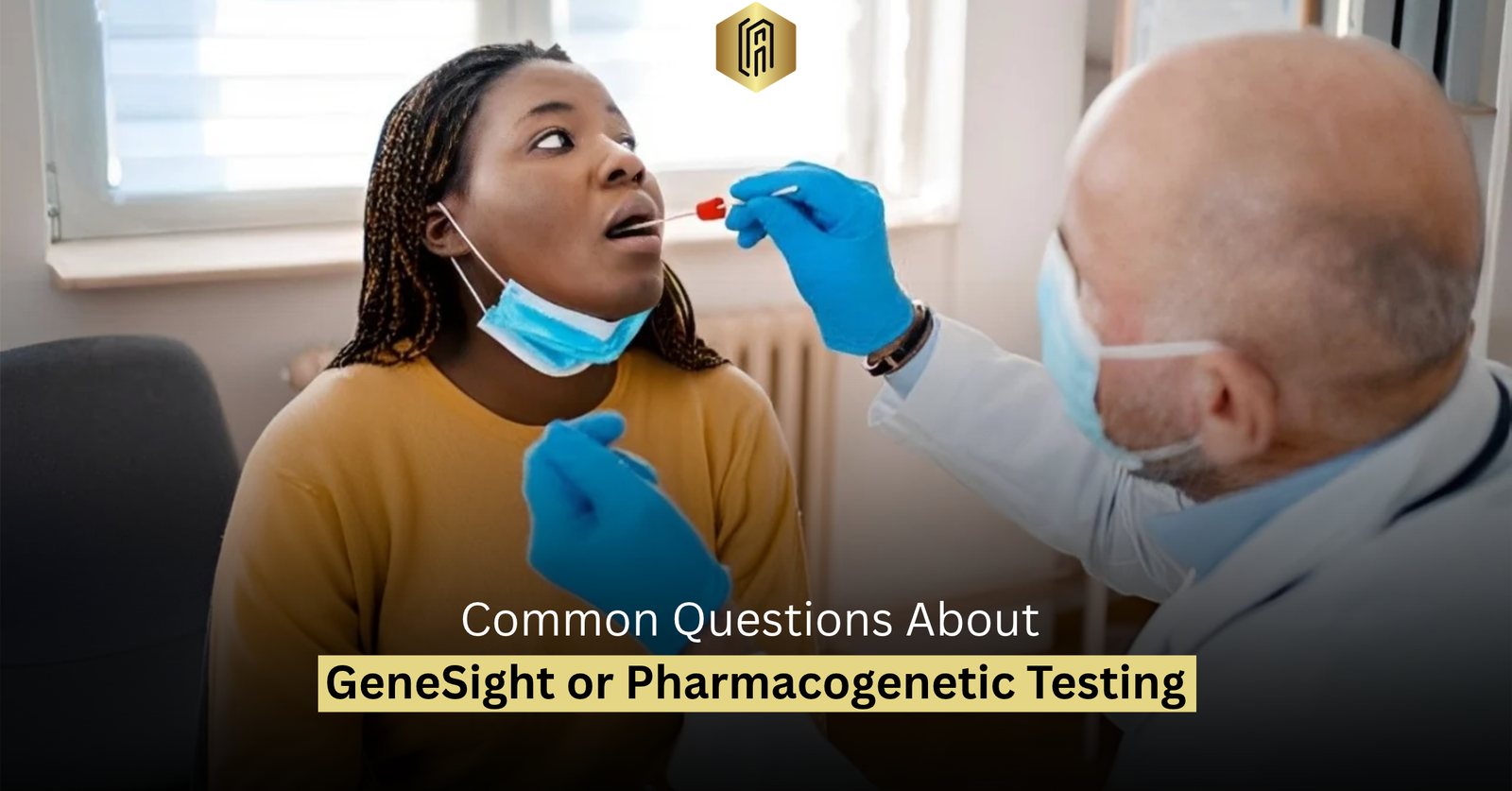
Most pharmacogenetic tests used in psychiatry, including GeneSight, involve a simple cheek swab. The sample is collected in the office or sometimes at home with a kit, then sent to a laboratory. Results are returned to the ordering clinician, who reviews them in the context of the patient’s history, current symptoms, and treatment goals. The process is non-invasive and generally straightforward.
Will insurance cover it?
Coverage varies widely. Some insurance plans cover pharmacogenetic testing under certain conditions, such as when a patient has not responded adequately to previous medication trials. Others may require prior authorization or may not cover it at all. Patients often need to check with their specific plan. Out-of-pocket costs can differ depending on the test and the laboratory.
Can the results change my current medication plan?
Results may support continuing a current medication, adjusting the dose, or considering alternatives if genetic factors suggest potential issues with metabolism or interactions. They may also help explain why a previous medication was poorly tolerated. Any changes are made carefully by the prescribing clinician, taking the full clinical picture into account rather than relying on the genetic report alone.
Is this testing recommended for everyone starting psychiatric medication?
Current clinical guidelines do not recommend routine pharmacogenetic testing for all patients beginning treatment. It is more often considered in situations such as repeated medication trials without adequate benefit, significant side effects, or complex medication regimens. The decision is individualized and based on whether the information is likely to influence treatment choices.
What the Test Does Not Do
It is helpful to be clear about limitations:
- It does not diagnose any mental health condition.
- It does not guarantee treatment success or failure.
- It does not replace a thorough clinical evaluation, symptom history, or ongoing assessment of response and tolerability.
- It does not account for every factor that influences how a person responds to medication, such as other medical conditions, lifestyle, concurrent medications, or psychological factors.
- Not every psychiatric medication is covered equally by current genetic panels.
Understanding these boundaries helps prevent disappointment and keeps the focus on the test as one supportive tool rather than a complete solution.
How Results Are Used in Practice
When results are available, a clinician reviews them alongside the patient’s treatment history. The information may:
- Highlight medications that are more likely to be metabolized in typical ways
- Flag potential needs for dose adjustments
- Suggest caution with certain medications due to genetic interactions
- Support shared decision-making when choosing the next medication trial
The conversation remains collaborative. Patients are encouraged to ask questions about how the results apply to their specific situation and what practical next steps make sense.
Practical Tips for Patients Considering Testing
If you are exploring pharmacogenetic testing, these steps can help:
- Discuss with your provider whether testing is likely to change management in your case.
- Ask which specific genes or medications the test covers and how results are typically interpreted.
- Check insurance coverage or potential out-of-pocket costs in advance.
- Continue current medications as prescribed until you and your clinician review results and decide on any changes together.
- Keep a record of previous medication trials, doses, benefits, and side effects; this clinical history remains highly valuable even with genetic information.
- View the test as one piece of information among many rather than a definitive answer.
When Testing May Be Worth Discussing
Pharmacogenetic testing is most often considered when medication trials have been difficult, side effects have been prominent, or a more personalized approach to medication selection feels appropriate. It can also be discussed when patients want additional data to inform shared decisions. The choice is never automatic; it depends on the clinical context and the potential usefulness of the information.
Virtual psychiatric care makes it possible to have these conversations conveniently and to integrate genetic insights, when obtained, into a broader treatment plan.
Moving Forward with Clear Expectations
GeneSight and similar pharmacogenetic tests examine genetic factors that can influence how the body processes certain psychiatric medications. They offer potentially useful information about metabolism and interactions, but they do not diagnose conditions or guarantee which medication will work. Results are best used as one supportive element within a careful, individualized clinical approach.
Clear understanding of what the testing can and cannot provide helps patients participate more fully in treatment decisions and reduces the risk of unrealistic expectations.
At Ascension Psychiatric Services, we take a thoughtful approach to medication management that may include discussing pharmacogenetic testing when clinically relevant.
If you have questions about GeneSight, pharmacogenetic testing, or how genetic information might fit into your treatment plan, you don’t have to navigate them alone.
Ready to discuss medication options or whether pharmacogenetic testing may be relevant for you? Contact Ascension Psychiatric Services today to schedule a virtual consultation. We’re here to help you make informed decisions about your care.
FAQs
Does GeneSight testing diagnose depression or other mental health conditions?
No. Pharmacogenetic testing looks at genetic variations related to medication metabolism and response. It does not diagnose any psychiatric disorder.
Will the test tell me the exact medication I should take?
No. It provides information about potential genetic interactions with certain medications. The final choice of medication is based on the full clinical picture, including symptoms, history, tolerability, and shared decision-making with your provider.
Is the test painful or complicated?
Most tests use a simple cheek swab. The collection process is quick and non-invasive. Results are returned to your clinician for review and discussion.
This post is for educational purposes only and is not a substitute for professional medical advice. Always consult with a qualified healthcare provider regarding your specific health needs and treatment options.






No comment