
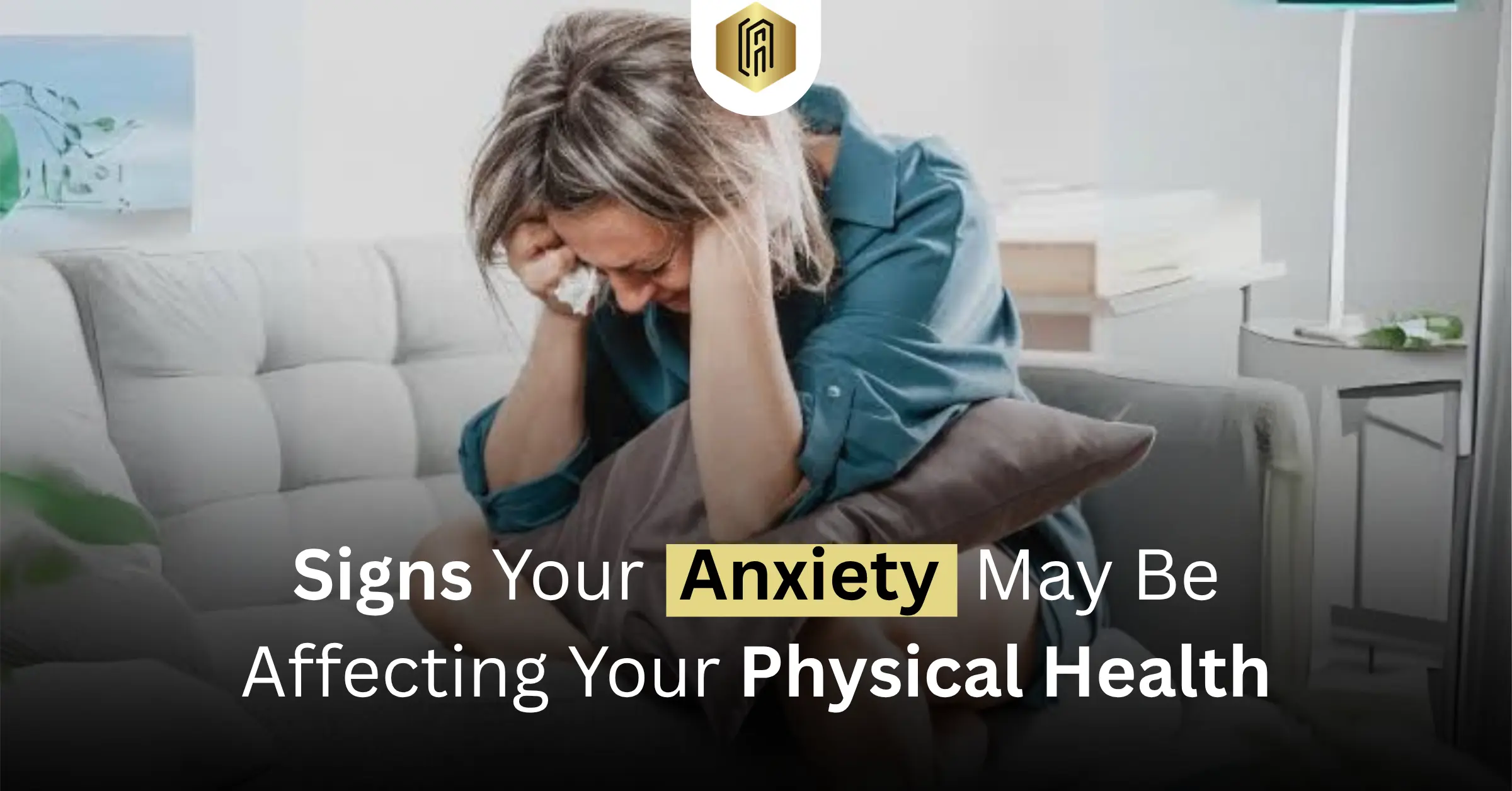
Most people think of anxiety as a mental thing: racing thoughts, worries all the time, a general feeling of unease. But often anxiety communicates just as loudly through the body. Tight muscles, upset stomach, pounding heart, lingering headaches, or deep exhaustion are all caused by anxiety. These physical sensations are genuine, and they can subtly affect the way we live our lives every single day.
At Ascension Psychiatric Services, we understand that recognizing these patterns can help bring clarity and open the door to more effective support.
Why Anxiety Shows Up Physically
Anxiety is the body’s reaction to stress. The brain perceives danger, real or only in our imagination, and prepares the body to act. Stress hormones rise, your heart rate increases, muscles tighten, your breathing alters, and digestion changes. This response is helpful in short bursts. When anxiety becomes a common or chronic experience, the same systems stay activated for longer than they should.
That continuous engagement over time leads to bodily manifestations. Even in the absence of any immediate threat, the body stays on alert. This association helps to explain why benefits from focusing on the physical problems alone are sometimes limited if the underlying anxiety is not properly attended to.
Muscle Tension, Aches, and Headaches
Persistent muscle tension is a very common physical manifestation of anxiety. Some groups of muscles remain as if they are braced, notably in the neck, shoulders, jaw, and back. This typically looks like:
- Tightness or pain in the neck and shoulders that does not go away
- Teeth grinding or jaw clenching that can be worse at night
- Band-like headaches around the head
- Generally tense or “wound up”
The neurological system has not yet entirely switched off alert mode; thus, the stress can linger even during calmer times. The pain itself might become another source of worry as time goes on.
Digestive Discomfort and Gut Changes
The gut and the brain are always talking to each other. Anxiety can often break that discourse and result in:
- Stomach churning, nausea, or that old “butterflies” feeling
- Changes in appetite, less interest in meals or more comfort eating
- Bloating, cramping, or change in bowel habits
- A general indigestion feeling that comes and goes with stress
These symptoms are caused by the stress messages changing how the digestive system works. Blood flow and mobility change, and the gut can become more sensitive. Some experience the physical discomfort and then greater concern about feeding, a vicious loop.
Heart Rate, Breathing, and Chest Sensations
Anxiety often causes heart and breathing difficulties. As many have noticed:
- Racing, pounding, or irregular-feeling heartbeat
- Feeling breathless or like you can’t get a complete breath
- Tightness or pressure in the chest
- Feeling flushed, sweaty, or unexpectedly hot or cold.
These feelings can be uncomfortable, particularly when they arise without an evident trigger. They’re usually part of the body’s activation response. However, any new or severe symptoms in the chest should be evaluated by a physician to rule out other reasons.
Sleep Problems and Ongoing Fatigue
Anxiety and sleep go hand in hand. Racing thoughts at nightfall, difficulty falling asleep, frequent nighttime awakenings, or waking up still fatigued are common. Sleep itself may not be restorative when it occurs.
This causes tiredness during the day and lack of energy. When you’re running on fumes, it’s difficult to manage stress, and physical symptoms can feel more pronounced. Usually, it takes addressing both the sleep and the worry that drives it to break this cycle.
Other Physical Signs Worth Noticing
Anxiety can also look like:
- Shakiness, trembling, or restless energy
- Excessive sweating
- Dizziness or lightheadedness
- Mouth dryness
- Heightened startle reaction
Not all people with this disease will have symptoms, and symptoms may come and go. Most important is to see if these physical experiences tend to go up and down with anxiety.
The Body-Mind Cycle
Anxiety may be made worse by physical problems. A racing heart or tight chest could set off health concerns which then further activate the stress response. Muscle aches or stomach upset can limit activity and cause stress. Lack of sleep impairs resistance. Breaking this loop is typically about treating both the emotional and physical aspects of the event.
Practical Steps That Support Relief
When anxiety is persistent, professional care is vital, but ordinary practices can also benefit the body and nervous system:
- You can use moderate progressive muscle relaxation or short body scans to discover and release tension that is being held.
- If you find your heart rate or breathing is increased, practice slow and steady breathing
- Get up and go to sleep at the same times to aid recuperation
- Move often in ways that feel manageable; even short walks can help release tension
- Note trends to discover when physical symptoms coincide with worry or stress
- Be careful with too much caffeine and alcohol. In certain people, they might increase physical arousal
- Include little recovery moments in the day, little pauses for the nervous system to calm
These procedures work better as part of a bigger plan, not as stand-alone treatments.
When Professional Support Makes Sense
Consider a comprehensive evaluation if physical symptoms are frequent, acute, or interfere with daily life. A medical examination can rule out other factors, while a mental assessment can identify the part played by anxiety and what strategies may be helpful. Often therapy, medication when appropriate, and practical techniques work well together.
Virtual psychiatric therapy gives you a chance to talk about these overlapping symptoms and to develop a strategy that works for you.
Moving Toward Greater Ease
Anxiety is an all-body experience. In all valid ways, it may show itself as muscle tension, digestive alterations, heart and respiratory symptoms, sleep disruption, and weariness. Having a clear image of these indications helps to move the attention away from discrete bodily complaints to a more whole picture.
Many people discover that, with the correct help, addressing the root cause of the anxiety results in major positive changes in both their emotional state and their physical day-to-day experience.
We at Ascension Psychiatric Services look at the full individual and the effect that anxiety has. Our team of virtual psychiatric providers, headed by Anthony J. Hall, MSN, APRN, PMHNP-BC, considers emotional and physical symptoms. We partner with you to understand what’s going on and identify actionable next steps.
If you have been experiencing certain physical symptoms in addition to your anxiety, you don’t have to work through them alone.
Are you ready to look at how anxiety could be impacting your physical health? Call Ascension Psychiatric Services today to book a video consultation. We are here to assist you in moving toward greater comfort and balance.
FAQs
Can anxiety really cause physical symptoms this strong?
Yes. The stress response creates real changes in muscle tension, heart rate, breathing, digestion, and energy. These sensations are genuine physiological effects.
Should I see a medical doctor or a psychiatric provider first?
New or severe physical symptoms, notably chest pain or major difficulty breathing, need to be checked out by a medical professional. After other causes are ruled out or treated, a psychiatric assessment can assist in defining the role of anxiety and guide treatment.
Will treating the anxiety help the physical symptoms?
As anxiety lessens, many people find that they have a marked reduction in their physical symptoms of anxiety. Results vary, and sometimes the most successful technique is a combined approach that helps both mind and body.
This post is solely for educational purposes and does not constitute medical advice. Always seek the advice of your physician or other trained health expert with any questions you may have regarding a medical condition or treatment.




No comment