
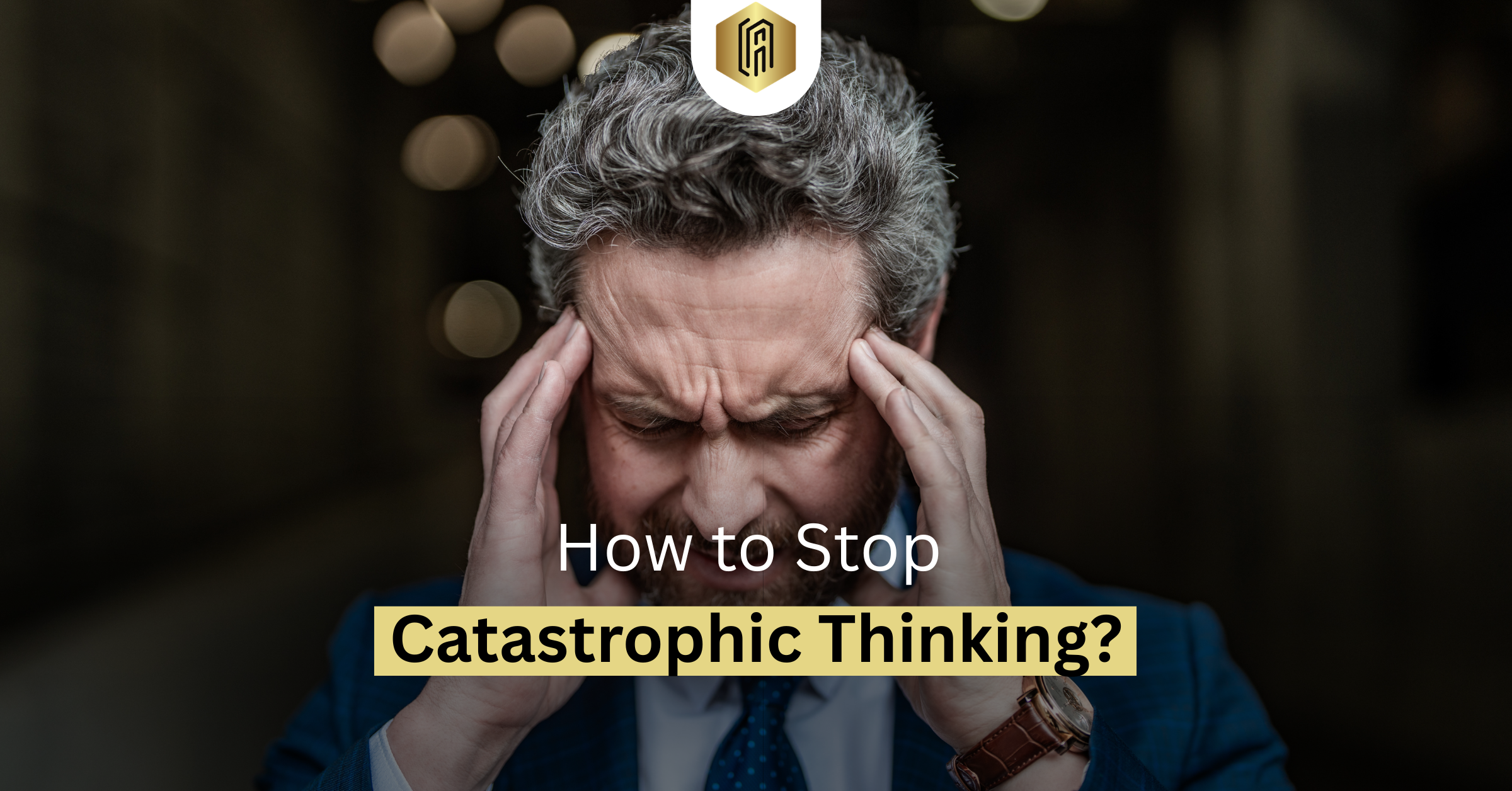
That racing mind loop where one tiny fear becomes a full-blown disaster scenario, many know all too well. A late-night communication from someone loved becomes a made-up accident. A minor criticism at work leads to anxieties of being fired and financial ruin. This is catastrophic thinking at work, and it can make everyday living feel wearying and burdensome.
At Ascension Psychiatric Services, we deal with clients who experience this pattern of worry, tension, and other mental health difficulties. The good news is that you can learn to notice it, stop it, and find healthier ways to respond.
Understanding Catastrophic Thinking
Catastrophic thinking is when the mind immediately jumps to the worst possible outcome in a situation of uncertainty. Often this means taking a tiny setback or unknown and blowing it dramatically out of proportion. Your brain likes to take “what if” and convert it into “this will definitely go wrong.”
You can see it in instances like:
- Minor physical symptom, significant health crisis scenario.
- Assuming a little mistake will ruin your reputation or your connections.
- Having to deal with a change in plans and watching your stability fall apart.
These thoughts don’t just sit in your head; typically, they trigger significant emotions and physical feelings like tightness in your chest, restlessness, or trouble concentrating. Eventually, this can become routine, and thus it feels like concern is constantly just around the corner.
What Fuels This Pattern?
Our thoughts are wired to be on the lookout for danger. This served our ancestors well when they faced real challenges. But nowadays, this protective mechanism can go off course, particularly in the face of anxiety or chronic stress.
Common contributors are:
- Chronic worry that makes uncertainty uncomfortable.
- Difficult experiences in the past that trained the brain to keep on high alert.
- Fatigue, lack of sleep, or severe stress, which lowers your mental resilience.
- Learned behaviors from familial settings or extended time spent dealing with uncertain circumstances.
The first key step is understanding that it’s not a character fault but a common reaction many people have. It helps you change your relationship to these thoughts rather than fight yourself about them.
The Real Impact on Daily Life
When catastrophic thinking takes over, it doesn’t just produce transient worry. It can reverberate through many elements of your existence. Maybe you find yourself avoiding opportunities or choices because the perceived risks feel too high. The mind has fewer distractions to wander to at night, and sleep can be affected. If you are always looking for problems or wanting continual reassurance, your relationships may seem strained.
The body remains in a heightened condition physically, which might result in tension, weariness, or other stress-related symptoms. The good news: As this pattern is worked with, there is typically a shift in these areas and greater room for presence, confidence, and enjoyment in the day-to-day.
Building Awareness: The First Key Step
Change happens when you see the pattern in real time. Start paying more attention to what you are saying to yourself when you are feeling anxious. Look for warning indicators such as chains of rising “what ifs,” absolute language (“This will destroy everything”), or that sinking feeling of dread.
It can be good to pause and question yourself when you feel worry rising:
- What am I thinking about right now?
- What sparked this line of thinking?
For a week or two, many find it useful to record these findings in a notebook or notes app. This simple step puts a little distance between you and the concept, so it feels less automatic and forceful. You’ll catch it earlier and earlier over time.
Questioning the Story Your Mind Is Telling
When you see the pattern, you begin to look more closely rather than just taking things at face value. This means testing the idea lightly against reality.
Helpful questions to attempt:
- What real evidence of this worst consequence is there?
- Have I been through comparable cases before?
- What would I say to someone I cared about if they were thinking this?
- What perspective on the circumstance would be fairer?
The aim isn’t to impose positivity but to gain a fairer view that takes into account probability and your ability to manage obstacles.
For example, instead of saying “One mistake, and I’ll lose everything,” you may say, “Mistakes are part of learning, and I’ve bounced back from mistakes before.” This can be a big shift.
Bringing Perspective Back to the Moment
If the spiral is powerful, grounding exercises might help you transfer your mind from the made-up future to the actual world. These activities soothe your nervous system and provide space.
Try playing with:
- Breathing slowly: Take a gentle breath in for four counts, pause, then breathe out longer.
- Sensory check-ins: What do you see, hear, and feel in your immediate environment?
- Gentle activity: A walk or some stretching to relieve any tension that has built up.
- Naming thoughts: “This is my mind doing that worry thing again,” and then, without elaborating on the content.
Not about stopping thoughts altogether, but not letting them carry you away.
Creating Lasting Change Through Daily Habits
If you want to keep getting better, you have to keep feeding your mind and body.
- Regular schedules will preserve your sleep and vigor.
- Be aware of items such as caffeine that can make you feel more uneasy.
- If the problems keep popping up, give yourself a little time to problem-solve.
- Try self-talk with compassion, especially on tough days.
- Stay connected with the individuals who keep you grounded.
Small repeated actions in these areas enable you to increase your general resilience and make it easier to behave differently when challenging ideas arise.
Knowing When Professional Support Can Help
Although many find self-help methods useful, if the behavior feels very established, is a major interruption to your lifestyle, or is linked to issues such as chronic anxiety, then it’s best to seek professional advice. A skilled professional can help you adapt techniques to your circumstances and offer additional tools when necessary.
Ascension Psychiatric Services provides compassionate virtual psychiatric care with a focus on taking the time to grasp the whole picture. Our staff is here to assist you in moving toward more relaxation and confidence, whether it’s through deliberate pharmaceutical support when necessary or collaborative tactics. You deserve to feel well, and it takes guts to call out for help.
Taking Steps Toward Greater Peace of Mind
Learning to handle catastrophic thinking is a process of developing new habits with patience and self-kindness. You can’t get rid of all anxious thoughts, but you can minimize their intensity and frequency, which will free up more energy for what’s most important in your life.
Start small today. Choose one technique that appeals to you and do it often. Notice and celebrate every time you catch and shift a thought, even for a second.
If you’re searching for personal guidance, feel free to get in touch with us. Our virtual appointments bring professional psychiatric treatment to you, wherever you are.
Need help? Reach out to Ascension Psychiatric Services to schedule a consultation and take a positive step ahead.
FAQs
What is catastrophic thinking?
This is when your brain jumps to the worst possible outcome, even though there is little or no evidence that it will happen. It blows small doubts into imaginary disasters.
Is catastrophic thinking the same as anxiety?
Not really, but they usually go together. Catastrophic thinking is a common symptom of anxiety disorders and can exacerbate the feeling of anxiety.
How long does it take to get rid of catastrophic thinking?
It differs from person to person. Most people notice improvement within weeks of consistent practice, but the greater transformation usually requires time, patience, and repetition.






No comment