
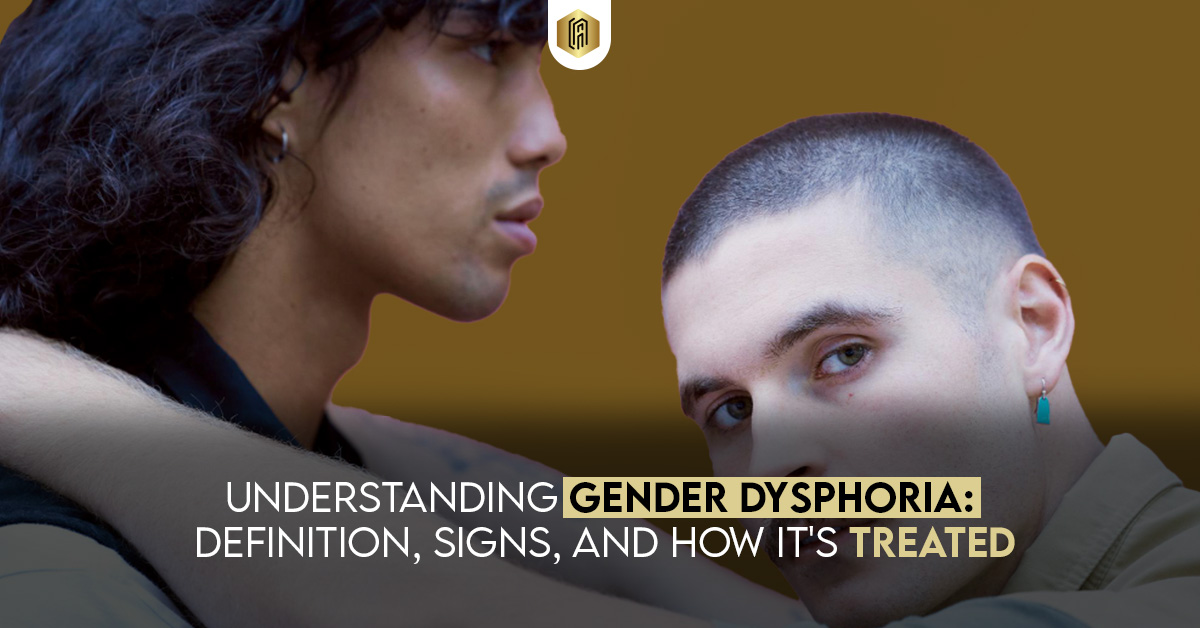
Think about how other people see you differently from how you see yourself. For a lot of people, gender dysphoria is not just a thought; it is a part of life. Gender dysphoria is when someone feels that their gender identity (male, female, or non-binary) doesn’t match the sex they were born with. This can cause mental discomfort.
This guide will tell you everything you need to know about this intricate condition. We will talk about gender dysphoria, how to get a diagnosis, how to treat and ease the symptoms, and what signs to look for in yourself or someone you care about. A lot of people have gender dysphoria but it is not a sign of weakness. Asking for help is a brave first step toward living an honest life. Let’s look at the facts so you can develop a better understanding and confidence.
What Is Gender Dysphoria? A Simple Guide
The DSM-5-TR defines gender dysphoria as a condition characterized by a pronounced distinction between an individual’s assigned gender (usually determined by sex at birth) and their experienced or expressed gender, leading to clinically significant distress or impairment in social, occupational, or other critical domains of functioning. It is a psychiatric diagnosis marked by a constant feeling of discomfort or difficulty that comes from a mismatch between how a person feels inside and how their body or society sees them.
In simple terms, it’s when how you identify on the inside doesn’t match the gender you were assigned at birth. You might feel more aligned with a different gender.
To better understand gender dysphoria, it’s helpful to define a few key terms:
- Gender Identity: How you see your own gender, whether it’s male, female, non-binary, or something else.
- Assigned Sex: A doctor decides if a baby is a boy or a girl based on their physical traits.
- Gender Expression: The way you show your gender to other people, which is usually through your name, clothes, or hair.
Is Gender Dysphoria the Same as Being Transgender?
No. In simple terms, being transgender means that the sex and gender you were born with are not the same. Not all transgender people feel dysphoria, even though it is common. Dysphoria is the term for the pain that comes from that disconnect, not the identity itself.
Why Diagnosis Matters
Gender dysphoria can affect people of any age or background. It is important to find the symptoms early because, without help, the distress could lead to despair, anxiety, or loneliness. With the right help and praise, though, people can heal and accept themselves.
Recognizing the Symptoms of Gender Dysphoria
To understand yourself or someone you care about, you need to know what the signs of gender dysphoria are. Even though everyone’s experience is different, the condition is usually based on a significant problem between a person’s internal gender identity and the sex they were assigned at birth.
You can use the list of common symptoms below to help you decide if you need professional help.
Emotional and Psychological Signs
The emotional toll of gender dysphoria can have a very bad effect on mental health. Common psychological markers include:
- Distress connected to gender: A constant feeling of sadness or anger because your physical features don’t match who you really are.
- Social anxiety: Feeling very uncomfortable in situations where traditional gender norms are followed, like family gatherings or workplaces that are only for men or women.
- Feelings of isolation: A sense of alienation from others of your assigned gender, leading to loneliness.
- Withdrawal: Pulling back from interests or relationships because of low self-esteem that comes from identifying as a certain gender.
Physical and Behavioral Indicators
Dysphoria is often evident in individuals’ interactions with the external environment and their bodily management. Here are some important physical signs of gender dysphoria:
- Puberty distress: Extreme discomfort with secondary sex characteristics such as menstruation, facial hair development, or voice deepening.
- Changing appearance: Using binders, padding, or certain clothes to hide physical traits to fit in with one’s inner gender.
- Avoidance: Stay away from mirrors, pictures, and activities that show off your body, like swimming.
- Behaviors in childhood: This could show up as a child saying things like “I want to be a boy/girl” or having a strong preference for toys and clothes that are associated with a different gender.
When Do Symptoms Appear?
There is no one time frame for gender dysphoria. Many kids show early signs, but when the body starts to change during puberty, the symptoms often get worse. Dysphoria may not show up until later in life for some people, and it often happens when things change in their lives, like starting a new job or relationship.
If these symptoms are getting in the way of your daily life, see a mental health professional. It’s important to get the right diagnosis because these symptoms can sometimes happen with other illnesses like anxiety or depression.
What Causes Gender Dysphoria? A Look at Biological and Environmental Factors
It is hard to figure out what causes gender dysphoria. Instead of blaming someone, the goal is to help people understand each other better so they can be more empathetic and offer better support. Research indicates that gender dysphoria arises from a unique interplay of biological, genetic, and environmental factors.
Biological Influences on Gender Identity
Scientific data indicate that gender identity is often established before birth. It appears to be less a deliberate choice and more an outcome of human variability.
- Brain Structure: Research indicates that individuals with gender dysphoria may exhibit atypical development in certain brain regions associated with self-perception, often aligning more closely with their experienced gender than their assigned sex at birth.
- Prenatal Hormones: People think that the levels of hormones in the womb affect how the brain develops gender identity. Variations in hormones during pregnancy can cause a person’s internal identity and physical body to not match.
- Genetics: While there is no single ‘gender gene,’ studies on twins suggest that gender identity may be influenced, at least in part, by genetics.
Environmental and Social Factors
Biology is important, but a person’s environment has a big effect on how they feel gender dysphoria.
- Social Expectations: People may feel worse when gender roles are very strict or when there are strict ideas about what “boys” or “girls” should do. When society pushes binary values, the mental battle of dysphoria may feel even worse.
- Support Systems: It’s very important to have a place where you feel safe. Stigma or rejection can make mental health problems worse, but acceptance from schools, families, and communities can make the pain of gender dysphoria much less.
Common Myths About Causes
It is very important to get rid of harmful ideas about gender identity.
- Parenting Style: There is no evidence that parenting styles cause gender dysphoria. Being a loving and involved parent does not make someone transgender or non-binary.
- Trauma: Gender dysphoria is not believed to be primarily caused by trauma, although it may impact mental health.
- Uncertainty: Gender dysphoria is an authentic aspect of identity variation, not merely a transient sensation of confusion.
It is better to focus on the solution, providing gender-affirming, compassionate care and acceptance, than on a specific reason.
Treatment Options for Gender Dysphoria: A Guide to Care
The discovery of gender is highly individual. Luckily, though, there are positive methods of managing gender dysphoria that can make you feel more comfortable and bring your internal and external selves closer together. Since all people have a unique experience, care plans must be highly individual and provided with the assistance of caring professionals. Below is a list of the most frequent methods of obtaining assistance and healthcare.
Gender-Affirming Therapy and Counseling
The most significant care aspect is usually mental health support. It provides you with the space to discover yourself and develop strength within you.
- Talk therapy: Cognitive Behavioral Therapy (CBT) and other techniques would assist you in overcoming anxiety, negative beliefs, and discovering how to overcome daily stress.
- Specialized Counseling: Gender specialized therapists can help you explore things without criticizing you.
- Family therapy: It assists the family members in understanding how to support the loved ones in the best way possible, and it is also effective with the teens.
Medical and Surgical Interventions
A lot of individuals require medical assistance to feel more at ease about themselves. You are supposed to consult a doctor or a health provider when making these decisions.
- Hormone Replacement Therapy (HRT): It adjusts the levels of hormones to provide you with physical characteristics that are aligned with your gender identity.
- Puberty Blockers: Reversible and safe treatment of the teen that causes puberty to be postponed so that the teen can know more about themselves without facing lifelong alteration of their physical appearance.
- Options for Surgery: Adults can undergo gender confirmation surgery, such as top surgery, as a response to certain physical causes of distress.
Social Transition and Self-Care
Social support and adjustments to your lifestyle, in addition to medical care, are required to help with mental health needs.
- Building a community: Joining online forums or support groups can help you feel less alone.
- Mindfulness: Writing in a journal or meditating can help you stay calm when things get tough.
- Advocacy: Knowing your rights at work and in healthcare can help you deal with less outside stress.
Accessible Care via Virtual Care: Support Right Where You Are
You shouldn’t have trouble getting expert help. Virtual care connects you with board-certified mental health professionals from the comfort of your own home. If you need help with the symptoms of gender dysphoria, the team at Ascension Psychiatric Services can make personalized virtual care plans for you.
Potential Challenges and How to Overcome Them
While the path to living authentically can feel difficult, overcoming obstacles like societal stigma or finding the right healthcare is possible.
- Find Inclusive Providers: Prioritize mental health professionals experienced in gender-affirming care. Always ask about their specific training to ensure they are the right fit for your needs.
- Address Stigma: Combat misunderstanding by sharing educational resources with loved ones, or join advocacy groups to build a support network.
With the right tools, these challenges become opportunities for resilience.Moving Forward
With a proper support system, gender dysphoria is treatable. You can have a good life by becoming aware of the symptoms and researching individualized remedies that may be either therapy or self-care practices. In case you are willing to make the next move, you can schedule a virtual appointment today.
Ascension Psychiatric Services is a standout virtual psychiatry practice led by Anthony J. Hall, a board-certified psychiatric mental health nurse practitioner. We offer caring, compassionate and inclusive services to children and adults ages 6-65. With the right support and plan, you can thrive.
FAQs
Is gender dysphoria the same as being transgender?
They are related, but they are not the same. Not all transgender people feel dysphoria, which is the discomfort that comes with being transgender. If you identify as transgender, your identity is different from the sex you were given at birth.
When can gender dysphoria be diagnosed?
A diagnosis is usually made after symptoms have lasted for a long time and caused significant pain. This usually happens after a professional evaluation, but it can be found as early as childhood.
Will gender dysphoria go away by itself?
Some people may be able to get rid of it on their own or with help, while others may not. Professional advice can help you find the right course.
How can I help someone I care about who has gender dysphoria?
Find out more about it, listen to them without judging them, use their preferred name and pronouns, and encourage them to get treatment that makes them feel good.





No comment