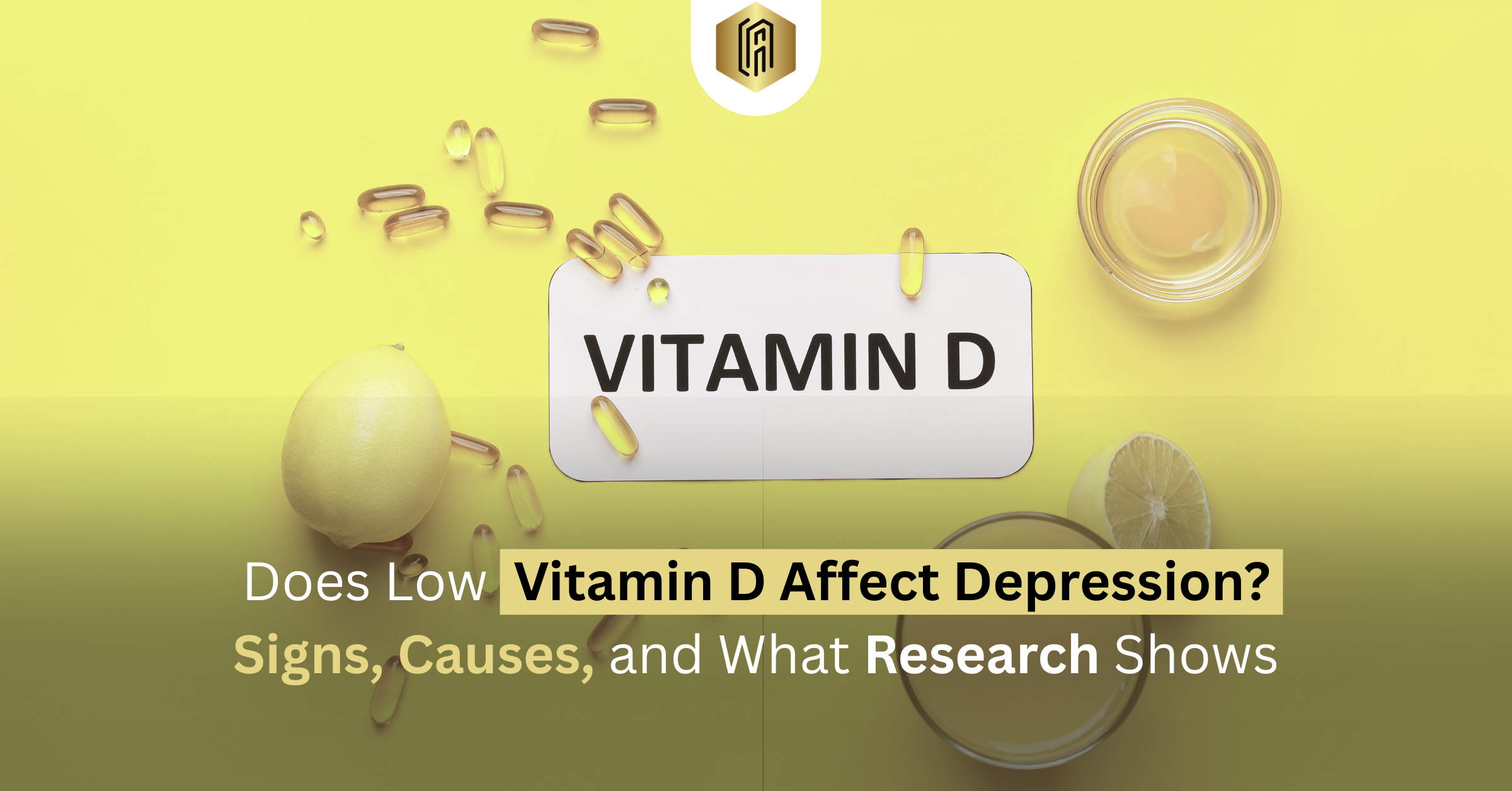
Have you ever observed that your mood drops when it’s dark outside or when you stay inside for a long time? When there isn’t much sunlight, a lot of individuals feel less energetic, less motivated, and miserable in general. Researchers have also looked into another probable cause of these feelings: vitamin D levels. Stress, life events, and mental health disorders can all play a role.
Vitamin D is well-known for promoting bone health; however, researchers have been examining its association with cognitive performance and emotional wellness. Some studies show that people with low vitamin D levels may be more likely to have depressed symptoms. Vitamin D deficiency alone doesn’t often cause melancholy, although it may affect mood and mental health in general.
We’ll talk about the link between vitamin D and depression, what might cause low vitamin D levels, how to tell if you’re not getting enough vitamin D, and what the latest research says about how to boost your mood by getting enough vitamin D.
What Is Vitamin D and Why Does It Matter?
Vitamin D is a fat-soluble vitamin that works more like a hormone in the body. It is very important for several biological functions, such as:
- The strength of bones and the absorption of calcium
- How the immune system works
- Control of inflammation
- Health of the brain and nerve system
The skin makes vitamin D when it is exposed to sunlight, which is why it is sometimes nicknamed the “sunshine vitamin.”
Common Sources of Vitamin D
People get vitamin D in three primary ways:
1. Sunlight
When UVB rays hit the skin, the body starts to make vitamin D on its own. But there are a few things that affect how much vitamin D your body makes:
- Where you live
- The time of year and the weather
- Color of the skin
- Age
- How much skin is exposed to the sun
People who stay inside a lot or live in the north may not make as much vitamin D.
2. Sources of Food
There aren’t many foods that naturally have a lot of vitamin D, but some good ones are:
- Salmon, tuna, and mackerel are examples of fatty fish
- The yolks of eggs
- Mushrooms that have been in UV light
- Milk, cereal, and orange juice with added nutrients
For a lot of people, eating alone may not give them enough vitamin D.
3. Supplements
People who don’t get enough sun or have low levels of vitamin D are often told to take vitamin D supplements. Most adults need between 600 and 800 IU of vitamin D each day, but this might vary from person to person, according to groups like the National Institutes of Health.
What Is Depression?
Depression is more than just being sad occasionally. It is a mental health problem that changes how you feel, think, and do things every day.
People with depression may have mental and physical symptoms that last for a long time and make it hard for them to have good relationships, a job, and general health.
Common Symptoms of Depression
Symptoms can be different, but they commonly include:
- A long-lasting feeling of melancholy or poor mood
- Not wanting to do things that used to be fun
- Tiredness or poor energy
- Trouble focusing
- Changes in weight or appetite
- Trouble sleeping (not being able to sleep or sleeping too much)
- Feelings of being useless or hopeless
If these symptoms linger for two weeks or longer, it could be a sign to see a specialist.
Seasonal Depression and Sunlight
Seasonal Affective Disorder (SAD) is a kind of depression that is especially associated with variations in the seasons. This syndrome frequently manifests in autumn and winter when sunshine exposure diminishes.
Researchers have proposed that diminished sunshine may affect:
- The body’s natural sleep-wake cycles, or circadian rhythm
- Levels of serotonin, a neurotransmitter that affects mood
- Making vitamin D
Scientists have looked into whether a lack of vitamin D can cause depression because vitamin D levels decline when you don’t get as much sunlight.
Signs Your Low Mood Might Be Related to Vitamin D
Low vitamin D levels don’t typically generate obvious symptoms, although some people do notice changes that are similar to depression or tiredness.
Some symptoms that you might not be getting enough vitamin D and that your mood might be changing are:
- Always feeling tired or low in energy
- Feeling sad in the cold
- Not wanting to do anything or having mental fog
- Weakness or pain in the muscles
- Getting sick a lot or having a weak immune system
- Problems with sleep
These signs can also happen with a lot of other diseases, which is why medical tests are needed to be sure that you have a vitamin D deficiency.
What Causes Low Vitamin D?
A lot of individuals don’t know that not getting enough vitamin D is a widespread problem. Some lifestyle and biological factors can lower vitamin D levels.
Limited Sun Exposure
People who spend most of their day inside, including office workers, students, or people who work from home, might not get enough sunlight to make enough vitamin D.
Skin Pigmentation
Darker skin has more melanin, which makes it harder for the skin to make vitamin D from sunshine. Because of this, people with darker skin tones often need to be in the sun more to make the same amount of vitamin D.
Age
The skin makes less vitamin D as we get older. Older persons are thus at an elevated risk of deficiency.
Diet
A diet that doesn’t include items high in vitamin D or fortified with it can lead to reduced levels.
Some Medical Conditions
Health issues that affect how well the body absorbs nutrients may also affect vitamin D levels. These include:
- Problems with digestion
- Disease of the kidneys
- Disease of the liver
- Being overweight
Obese people may have less vitamin D in their blood because vitamin D can be stored in fat tissue.
The Science: Does Low Vitamin D Affect Depression?
For many years, researchers have looked into the link between low vitamin D levels and depression. While outcomes differ, numerous significant trends have surfaced.
Observational Studies
Numerous studies indicate that individuals with diminished vitamin D levels are more likely to exhibit depressive symptoms. These results indicate a correlation between vitamin D insufficiency and mental disorders.
But just because two things are related doesn’t indicate that one caused the other. Depression can sometimes cause people to do things that lower their vitamin D levels, such as spending less time outside.
Brain Function and Vitamin D
There are vitamin D receptors in different parts of the brain that help control mood. This indicates that vitamin D may affect mental health via processes such as:
- Assisting in the production of serotonin
- Reducing inflammation in the brain
- Helping neuroplasticity, which is the brain’s ability to change and grow
Harvard Health Publishing and other groups have published studies that suggest a link between vitamin D levels and depression. However, more long-term studies are needed to understand this link fully.
Can Vitamin D Supplements Improve Mood?
Some studies show that getting more vitamin D may help improve mood, especially in people who start with very low levels.
However, vitamin D alone can cure depression, though. Most of the time, mental health problems need a more complete answer, like therapy, changes to one’s lifestyle, or medication.
Testing Vitamin D Levels
If you think low vitamin D might be making you tired or moody, a doctor can prescribe a simple blood test.
The test checks for 25-hydroxyvitamin D [25(OH)D], which is the main sign of how much vitamin D is in the body.
Some general reference ranges are:
- 30–50 ng/mL: Good enough for most people
- 20 to 30 ng/mL: Insufficient
- Less than 20 ng/mL: Deficient
Testing is especially useful for persons who:
- Don’t spend much time outside
- Feel your emotions fluctuate with the seasons
- Feel tired or down in the dumps
- Have health problems that impede absorption
If levels are low, a healthcare expert can explain the results and suggest the best treatment.
Ways to Support Healthy Vitamin D Levels
To raise vitamin D levels, you usually have to change several things in your life.
Safe Sun Exposure
Getting 10 to 20 minutes of sun exposure a few times a week can help your body make more vitamin D. The exact amount changes based on where you live and what kind of skin you have.
To lower the danger of being sunburned, it’s crucial to find a balance between getting sun and protecting your skin.
Food
Eating foods high in vitamin D may help you keep your levels healthy. Think about adding:
- Tuna or salmon
- Milk made from plants or dairy that has been fortified
- Eggs
- Mushrooms exposed to UV light
Supplements
Healthcare practitioners may suggest supplements if your vitamin D levels are low.
Vitamin D3 (cholecalciferol) is frequently better because it’s the same type that the body makes from sunlight.
Supplements should only be taken with a doctor’s advice because too much vitamin D might cause problems for your health.
Lifestyle Factors
Also, doing things that are good for you may make you feel better and be healthier overall.
- Working out regularly
- Set times to sleep
- Eating a healthy diet
- Dealing with stress
You can improve your physical and mental health by doing these things, along with getting the right medical care.
When to Seek Professional Help for Depression
Vitamin D might change your mood, but depression is a complicated illness that is usually caused by several things, like genetics, stress, and brain chemistry.
If you have symptoms like always being depressed, not wanting to do anything, or having trouble getting through the day, it might help to see a specialist.
Mental health care might include:
- Help with counseling
- Help with daily life
- Medication management when needed
When you work with a certified specialist, you can find out what the best treatment options are for your situation.
If you are still having symptoms of depression, the staff at Ascension Psychiatric Services can help you with virtual psychiatric care and managing your medications to help you get better.
Key Takeaways
Vitamin D is very important for many aspects of health, such as the immune system, brain health, and mood control. There is some evidence that low levels of vitamin D may make some people more likely to feel depressed. Getting enough vitamin D from the sun, food, and medical advice may be good for your body and mind.
A mental health professional can help you figure out what’s causing your long-term depression symptoms and make a plan for how to deal with them. Book a virtual appointment to better understand what may be contributing to your low mood and explore treatment options. The right help can make you feel better.
FAQs
Can low vitamin D cause depression?
Low vitamin D doesn’t always make people depressed, but studies show that it may make some people more likely to have depressed symptoms, especially when levels are very low.
Can vitamin D supplements improve mood?
Some studies show that getting more vitamin D may help improve mood, especially in people who don’t get enough of it in the first place. But supplements are usually only one part of a larger plan to help with mental health issues.
Should everyone with depression take vitamin D?
No, not always. People who don’t get enough vitamin D from food or the sun should take extra vitamin D. A doctor can tell you if you need to get tested or take supplements.


No comment