
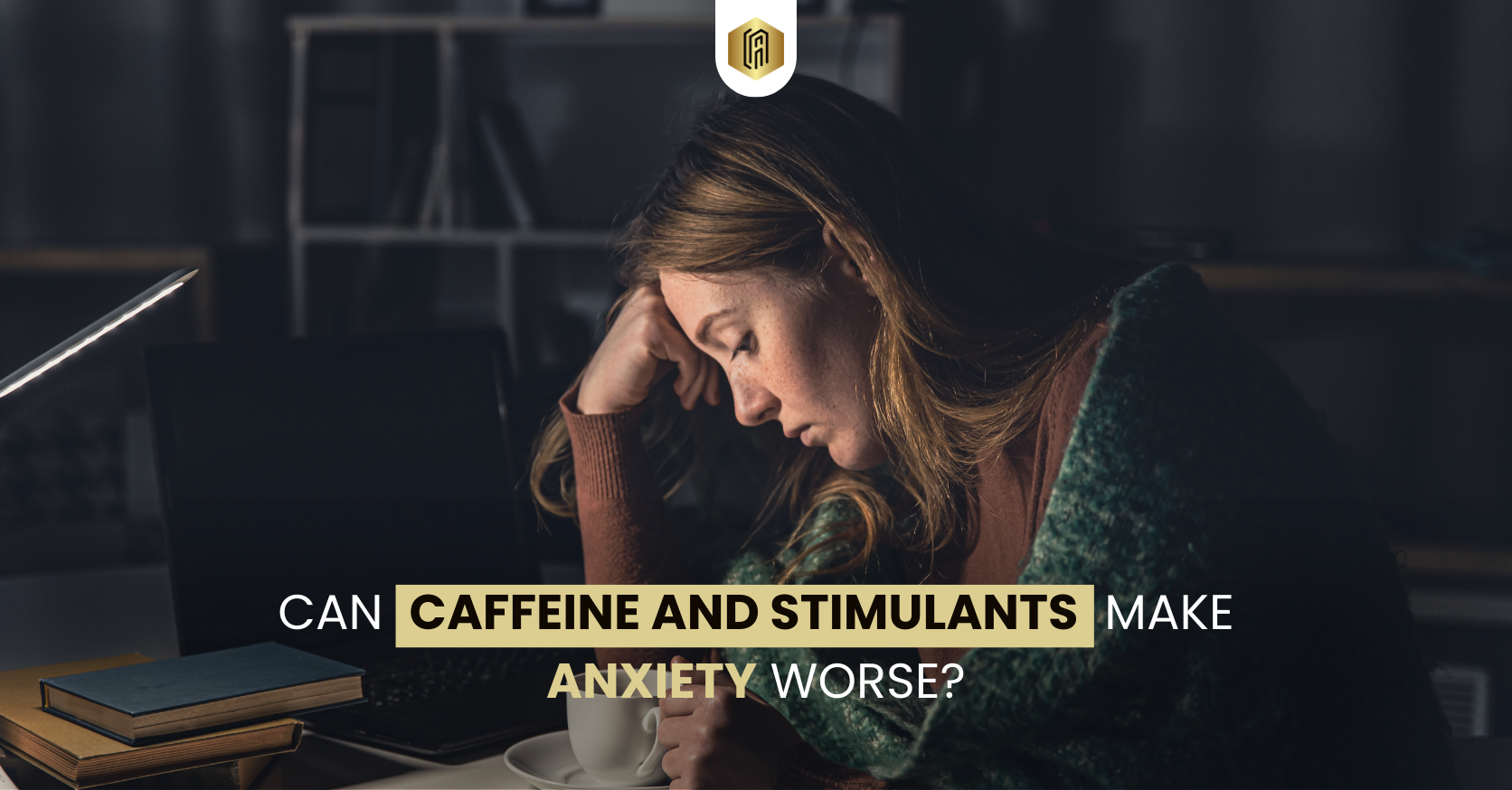
You get out of bed and get ready for your morning coffee to start the day. But instead of feeling more awake, your mind races and your hands get sweaty. Does this ring a bell? You’re not the only one. Stimulants like coffee are everywhere in our busy world, from lattes to energy drinks. They say they will help you focus, but they can also make you feel anxious in ways that are hard to deal with.
It is hard to differentiate between a caffeine rush and real stress when it feels “jittery.” You cannot stop doing your daily tasks, but it’s essential to know how these stimulants affect your mental health.
Understanding Caffeine and Stimulants
Substances that speed up your central nervous system are called stimulants. They make you feel more awake and focused. They can help your brain get back on track, but you need to be careful not to take too many of them.
Common Types of Stimulants
Coffee, tea, and dark chocolate all have caffeine in them; it is the most popular stimulant, but there are other sources you should know about:
- Prescription medications: People often use these to treat ADHD and other issues.
- Nicotine: This is in cigarettes and vapes.
- Over-the-Counter Remedies: Many cold decongestants have mild stimulants in them.
Watch Out for Hidden Stimulants
Sometimes it’s hard to see stimulants as they often hide in plain sight. You might not know this, but some flavored waters, pre-workout smoothies, and energy drinks have more caffeine than you think. You and your family need to know about these hidden sources to stay healthy.
How Do They Affect the Body and Brain?
Caffeine and other stimulants work by blocking adenosine, a brain-calming chemical that makes you feel relaxed. When this blockage happens, it sends a rush of neurotransmitters like dopamine and adrenaline, which gives you that familiar burst of energy. It’s like revving a car engine: it helps things move, but if you push it too hard, it could break.
This method works like the body’s natural fight-or-flight response. This helps many people concentrate better, but it might be hard for those who are easily stressed and sensitive. When your adrenaline levels rise, your heart rate can speed up, and your racing thoughts can get worse. This can turn problems that are easy to deal with into anxiety that is too much to handle.
The Link Between Caffeine, Stimulants, and Anxiety
Scientific Evidence: What Studies Reveal
Studies have shown over and over that people who are sensitive to stimulants are more likely to feel anxious when they drink a lot of caffeine. Drinking a lot of anything, like several cups of strong coffee a day, is often linked to feeling restless and uneasy, according to large-scale studies.
But the effect is different for each person. Genetics, metabolism, and preexisting conditions like generalized anxiety disorder (GAD) all play a role in how your body reacts. This difference is essential for personalized mental health care because some people adapt to it, while others feel its effects right away.
Here’s a quick look at how stimulants affect mental health:
- Low Doses: Taking small amounts may make you feel better and help you focus with few harmful effects.
- High Consumption: Taking too much of something can cause problems with your body, like a fast heartbeat or trouble sleeping, which can make you anxious.
- Prescription Stimulants: It’s essential to get the right mix for conditions like ADHD. Giving the wrong amount of medicine can make things worse, not better.
Stimulants may not be the primary cause of anxiety, but studies indicate that they can significantly exacerbate symptoms for numerous individuals.
Who Is Most at Risk?
Some populations appear to be more prone to the effects of caffeine sensitivity, which may contribute to feelings of anxiety. Stimulants can make teens with developing brains feel more restless as they struggle with school or social pressures. Pregnant women often have reduced tolerance and are overwhelmed by even small portions. Also, patients with preexisting anxiety or chronic stress can discover that caffeine can become an effective compound in enhancing their symptoms. Family routines, such as enjoying caffeinated sodas after meals, can also affect susceptible members, such as children or caregivers, who are stressed.
Several important factors determine sensitivity to caffeine:
- Genetics: Some individuals have a slow-acting caffeine metabolism, and the effects persist.
- Lifestyle: Lack of sleep or diets high in sugar can amplify the effects of caffeine, which can cause edginess.
- Age: Senior citizens tend to be very slow in reaction to stimulants, as a result of which they become powerful.
Recognizing these fear triggers will help you achieve a better life by modifying your habits.
Signs That Caffeine or Stimulants Might Be Worsening Your Anxiety
Questioning yourself concerning whether your energy stimulant of the day is your anxiety stimulant? It is important to note that there is a difference between alertness and anxiousness produced by caffeine. Watch for the following symptoms, which frequently occur:
- Physical Signs: Soon after consumption, racing heart, sweating, or muscle tension
- Mental Symptoms: Irritability, hyperactivity, or inability to concentrate
- Behavioral Changes: Feeling “wired” or on edge, yet craving more stimulants
You can keep a daily journal to determine your anxiety triggers. Monitor the types of food you take and the way you feel after intake to identify patterns and better control your mental health.
Practical Strategies to Manage the Impact
Reducing Intake Without Losing Your Routine
You don’t have to give up your favorite daily habits if you want to deal with your anxiety. Making small, lasting changes to your daily life is the key.
- Take it easy at first: Start small. If you drink coffee more than one time a day, swap one cup of regular coffee for a decaf. This will allow your body to get used to having less amount of caffeine.
- Find other things that help you relax: Instead of coffee, try peppermint or chamomile tea. They make you feel good without the jitters.
- Watch the clock: Taking stimulants only in the morning can help you sleep better, which is essential for lowering stress naturally.
These simple changes will help your mental health while still letting you stick to your routines.
Holistic Approaches to Balance Stimulation and Calm
You can’t just cut back on stimulation; you also need to use positive, whole-body relaxing methods to balance it out. If you feel too stimulated or restless, try something simple, like deep breathing or meditation, to calm down. Taking a short walk outside can help your nervous system reset by releasing chemicals that make you feel better.
You can also set up a “calm zone” in your house. Create a relaxing space to unwind in the evenings, and then drink tea made with herbs to make natural stress relief a family ritual.
The following steps are practical and could be used to regain equilibrium:
- Hydrate: To purify the stimulants, drink water.
- Eat to Relax: Foods that are high in magnesium, like almonds and spinach, help keep your nervous system in check.
- Pay attention to patterns: Use wellness apps to track how your food choices affect your mood.
The secret to finding lasting balance is to make these small changes a part of your daily life.
When to Seek Professional Help
Even if you try really hard, the interaction between stimulants and anxiety can still happen. If things have not been going smoothly in your day-to-day activities, e.g., at work, in relationships, or in general health, it may be time to seek professional help.
The specialists will help you deal with these intricate interactions. Be it changing your stimulant medication or creating a plan that addresses anxiety, professional assistance can result in a change. At Ascension Psychiatric Services, we offer virtual consultations that allow you to get a convenient evaluation from board-certified practitioner to help you find a sense of stability and empowerment.
Conclusion
Although caffeine and other stimulants are known to worsen anxiety, knowing their effects will enable you to implement positive measures. Spotting hidden sources in advance and making holistic habits is an essential step towards having better daily mental health.
Ready to take control? Set up a consultation for personalized help today.
Related Reads
- Waking Up Anxious? 10 Ways to Reduce Morning Anxiety Naturally
- How Do I Know If It’s OCD or Just Anxiety? Key Differences
- Why Do I Get Anxiety at Night?
FAQs
How can I tell if caffeine is too much for my stress?
If you feel more anxious after having it, it might be a sign. Keep track of your routine and see if cutting it back can help. Be careful when trying new things, because everyone has a different limit.
Can decaf options still make you anxious?
Decaf coffee contains some caffeine; it is not completely free of it. But it’s the best choice for most people. If you’re very sensitive, even that might matter, so pay attention to how you feel after having it.
What if I need stimulants that help me stay awake, like ADHD meds?
If you’re anxious after having them, talk to your doctor about changing your prescription. Getting the right amount is the key.
Is there a way to get more energy without taking stimulants?
Yes, for sure. Make sure you get enough sleep, eat healthy meals, and move around. Getting some sun or eating a high-protein snack can give you a natural boost.




No comment