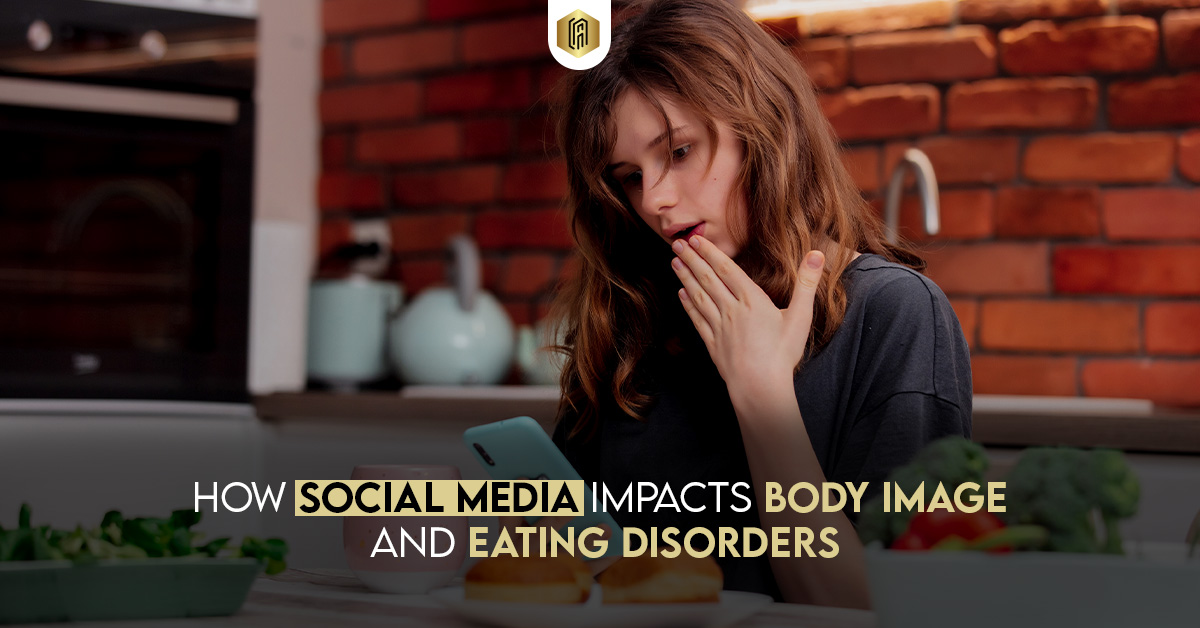
Social media is becoming a big aspect of everyday life. It’s easy to spend hours in a world of carefully chosen photos by scrolling through Instagram reels or watching TikTok trends. These sites can be enjoyable and encouraging, but they often have a hidden cost: they can change how we see ourselves and even how we eat.
Evidence is increasingly linking social media use to body dissatisfaction, particularly among teenagers and young adults. According to some studies, constant exposure to perfect photos online may increase your risk of developing an eating disorder. In this post, we’ll talk about how social media affects body image, why some information might be bad for you, and some useful tips for keeping yourself or your loved ones safe.
Understanding Body Image and Eating Disorders
What Is Body Image?
What you see in the mirror is not the only thing that makes up your body image. It’s also how you think, feel, and see your body. A negative body image can really hurt your mental health and self-esteem. It can also make you feel anxious and ashamed, and have trouble getting along with other people.
What Are Eating Disorders?
Eating disorders are serious mental health issues that make people eat in unhealthy ways and feel awful about their weight. Some common types are:
- Anorexia Nervosa: This condition is when someone is very scared of getting fat and eats very little.
- Bulimia Nervosa: This is when a person eats a lot of food and then throws it up or works out too much to get rid of it.
- Binge-Eating Disorder: Eating a lot of food over and over again without throwing it up.
- Disordered Eating: This includes unusual habits like counting calories all the time or sticking to a diet that is too strict for a long time.
These issues are hazardous because they can cause physical problems like fatigue and hunger, as well as mental problems like sadness and anxiety.
How Social Media Shapes Body Image
The Impact of Edited Images on Body Image
Individuals utilizing Instagram and TikTok encounter fabricated images and body types. Studies show that people, especially young adults, who are always around filters may start to dislike their bodies and feel like they aren’t good enough.
Social Comparison Theory in the Digital Age
People often compare themselves to others, but social media makes this even more common. It’s easy for people to think their bodies aren’t good enough when they see feeds full of friends and influencers. We often want to be “thin” or “fit” because we see other people and feel bad about ourselves.
Self-Objectification and Beauty Standards
People who spend a lot of time on social media may start to see themselves as something that other people judge. This is what it means to see yourself as an object. People who think this way feel bad about themselves and anxious, and like they have to look a certain way. Studies show that these mental traits are linked to a higher risk of developing unhealthy eating habits.
How Algorithms Amplify Body Image Issues
The point of social media algorithms is to get as many people as possible to comment on and like things. They do this by putting posts about “ideal bodies” or diet culture at the top of their feeds. This makes an echo chamber, where personalized feeds keep showing people trends and pictures that support bad norms, which makes them feel worse about their bodies.
Content Type Matters More Than Screen Time
Interestingly, studies show that what you watch is more important than how long you watch it. If you read posts about weight loss trends, slim ideals, or strict diets, you’re more likely to feel bad about your body than if you just looked at or watched neutral content.
Link Between Social Media and Eating Disorders
Mechanisms of Influence
Most of the time, the connection happens in this order:
Comparing yourself to others → you don’t like how your body looks → Eating behaviors that aren’t beneficial
Likes and comments can also create a feedback loop that makes poor habits stronger, which makes it hard to modify how you see yourself in a bad way.
People at Risk
Young people and teens are the ones who are most at risk. Their self-esteem is still growing, so they are more inclined to want to fit in with others. Another key thing is gender, because women typically feel a lot of pressure from society to appear a specific way.
Research Findings
Systematic reviews and meta-analyses consistently demonstrate an association between social media usage, body dissatisfaction, and eating disorder symptoms, highlighting the necessity for awareness and preventive strategies.
Harmful and Protective Content on Social Media
Understanding Harmful Content
Algorithms on social media can feed people damaging stuff that makes their body image issues worse. Here are some examples of these:
- Problems with excessive diets and losing weight
- Groups that are “pro-ana” (pro-anorexia)
- Body standards that aren’t realistic
The Strength of Body-Positive Content
The narrative is getting better. You can feel better about yourself by reading and viewing items that are body-positive or body-neutral. You can steer away from bad influences by developing a feed that focuses on recovery and diversity.
Things to Keep in Mind
Helpful things are good, but they don’t solve all problems. It can’t fix everything negative that happens when you compare yourself to other people or see yourself online. It’s still important to keep updated with the media news and pay attention to what you see and hear to keep your mind healthy.
Psychological and Social Mechanisms at Play
Comparing yourself to others
Social media makes us want to compare our looks and lives even more, which can make us feel even worse about ourselves.
Fear of being judged
Worrying about how friends or people we look up to see us can make us feel worse about our bodies and lead to negative habits.
Being kind to yourself
Instead of criticizing yourself, be kind to yourself. This will assist in keeping these negative impacts from happening and improve your body image.
How Parents Can Support Healthy Social Media Habits
Foster Open Communication
Talk about the pressure of social media in public. To help kids acquire mental strength, teach them to tell the difference between filtered feeds and actual reality.
Teach Media Literacy
Teach youngsters how to think about what they read. Explain how filters create trends that are not genuine, so they can view internet posts with a skeptical eye.
Encourage Offline Balance
Do sports, arts, or charity work to boost your confidence. If bad patterns keep happening, get professional help right away.
Online Practice to Keep Your Mental Health Safe
Practice Mindful Scrolling
- Set limits: Limit how much time you spend on your screen each day.
- Disconnect: Take breaks from scrolling.
- Filter content: Mute or ban postings that make you feel bad.
Curate a Positive Feed
- Follow body-positive and health-focused producers to make your feed more interesting.
- Remove content and unfollow accounts that encourage comparison.
Put Mental Health Support First
- Seek help early: Therapy for body image problems can help stop disordered eating before it starts.
Emerging Trends and Social Media Impact
Future research should focus on longitudinal studies to evaluate the psychological effects of social media among various age demographics. It’s also very important for online safety to pay close attention to how algorithms spread lies. For instance, Reuters posted that Instagram targets kids who are already at risk of developing eating disorders. It really becomes important for parents to observe what kids are watching online.
Navigating Body Image in the Digital Age
People may be worried about how they look and how they talk to other people on social media. This can make kids feel bad about their bodies and make it harder for them to eat. To avoid getting hurt, people should use a little bit of media, learn how to use it, and listen to experts. You can have a better relationship with digital platforms if you take care of yourself and are careful about what you see.
Ascension Psychiatric Services offers virtual psychiatric care for individuals who have eating disorders or concerns with their body image. Safe telepsychiatry consultations give people with eating disorders and body dissatisfaction tailored, evidence-based care.
FAQs
Is it possible for social media to lead to eating disorders?
Yes, seeing a lot of content that focuses on looks can raise the risk, especially in teens and young adults.
How can comparing yourself to others affect how you see your body?
When people compare their bodies to others online, they typically don’t like their own bodies and may start doing things that are bad for their health.
Do body-positive narratives help stop people from eating in a disordered way?
Regularly consuming body-positive or recovery-oriented information can enhance self-perception, particularly when integrated with media literacy and professional assistance.


No comment