
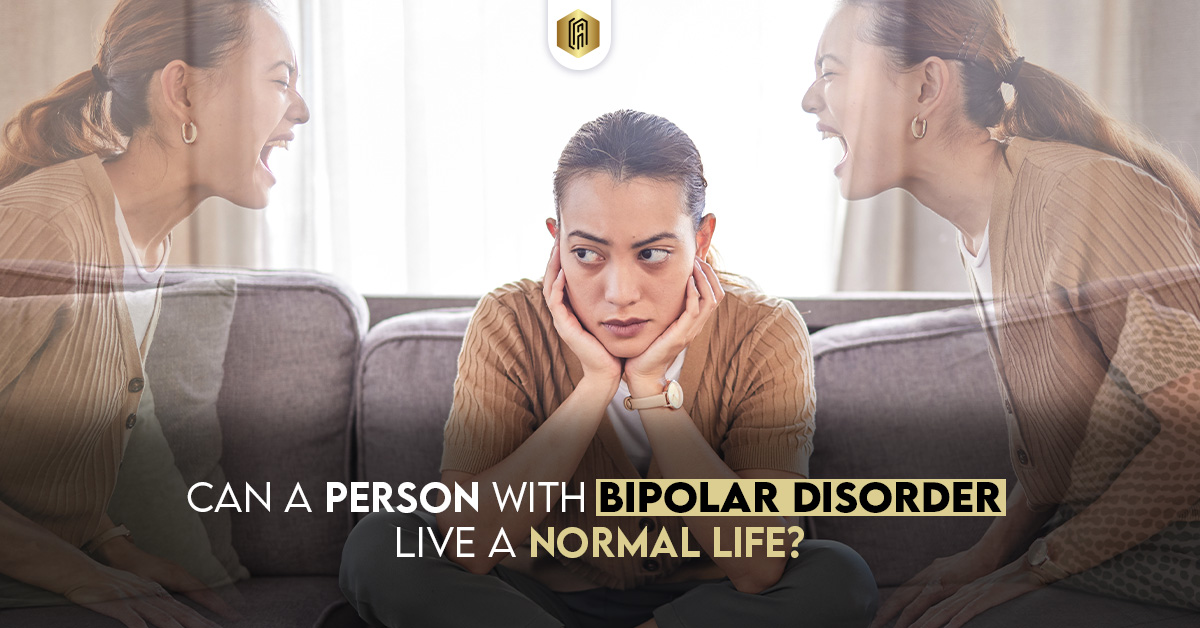
People with bipolar disorder and their loved ones may have trouble understanding and dealing with it. People often wonder if they can live a normal life with this condition.
We’ll explain clearly what bipolar disorder is, how it affects everyday life, and what people can do to make sure they stay stable in the long term. Everyone has different ideas of what “normal” is, but it is entirely possible to live a healthy and balanced life.
What Is Bipolar Disorder?
Bipolar disorder is a mental health condition characterized by significant shifts in mood, energy, and activity levels. These episodes are more severe than typical emotional ups and downs and can affect a person’s ability to carry out daily tasks. While it often emerges in late adolescence or early adulthood, bipolar disorder can develop at any age.
Symptoms of Bipolar Disorder
Manic (highs) and depressive (lows) episodes are two types of common symptoms of bipolar disorder.
Some signs of mania are:
- Increased energy and activity levels
- Less need for sleep
- Thoughts that race or talking very fast
- Feeling unusually irritable, euphoric, or powerful
Some signs of depression are:
- Feeling very sad, hopeless, or empty
- Being very tired and having low energy
- Not being interested in things you used to enjoy
Common Misconceptions About Bipolar Disorder
It’s just as important to know what bipolar disorder isn’t as it is to know what it is:
- It is not a flaw in your personality. Bipolar disorder is a medical condition that can be treated; it does not say anything about a person’s character.
- It is not the same as mood swings. Bipolar disorder causes mood swings that are stronger, last longer, and are more disruptive than normal mood swings.
- It is not a barrier to a fulfilling life. Many people with bipolar disorder have successful careers, healthy relationships, and full, meaningful lives when they get the right treatment and support.
Can People with Bipolar Disorder Live a Normal Life?
Yes, the answer gives us hope. A lot of people with bipolar disorder live stable, meaningful, and satisfying lives. To get there, you need a strong support system, regular treatment, and changes to how you live your life.
Defining a “Normal Life” with Bipolar Disorder
You don’t have to be completely free of symptoms to live well with bipolar disorder. A balanced life usually means:
- Professional Success: Keeping a steady job or going to school.
- Healthy Relationships: Making and keeping strong ties with friends and family.
- Daily Functioning: Doing your daily tasks and participating in hobbies.
- Emotional Stability: Having moods that don’t change very often.
The goal of bipolar treatment is not perfection, but balance. For many people, that balance is a real and achievable goal.
Key Factors for Living a Stable Life with Bipolar Disorder
Proper Diagnosis
An accurate diagnosis is the most important part of stability. Because the symptoms of bipolar disorder can look like those of depression or anxiety, it’s important to get a full evaluation to make sure you get the right treatment plan and avoid unnecessary emotional problems.
Consistent Treatment Plan
Following a consistent treatment plan greatly lowers the risk of relapse. A long-term plan usually includes:
- Medication: Mood stabilizers to help with mood swings.
- Therapy: CBT, family therapy, or psychoeducation are some examples.
- Monitoring: Regular check-ins to change protocols as needed.
Routine and Structure
Having a set routine every day helps keep your mood stable. Some important habits are getting enough sleep, eating well, exercising regularly, and using techniques to lower stress. Limiting alcohol and drug use is also important for keeping moods stable.
A Strong Support Network
A strong support system helps people feel less alone and encourages them to live healthy lives. It’s easier to stay stable when you have:
- Understanding from family, partners, and friends.
- Being able to join support groups and community programs.
- A mental health provider who is flexible and supportive at work.
Self-Awareness and Monitoring
Self-awareness is very important for preventing episodes. Using mood journals, tracking apps, and figuring out what makes you feel bad gives you the power to deal with your symptoms before they get worse.
When to Seek Professional Help
If you or someone you care about is still having trouble with symptoms after trying these things, it’s time to get professional help. If you notice any of the following, get in touch with a mental health professional:
- Big changes in how much sleep you get or how much energy you have.
- Not being able to do your job or be in a relationship.
- Thoughts of hurting yourself or killing yourself.
- Mood swings that are very bad and seem out of control.
Thriving with Bipolar Disorder
You can live a full life even if you have bipolar disorder. Many people use their unique strengths, like being emotionally aware, resilient, creative, and good at solving problems, to do well in their jobs, relationships, and personal growth. People with bipolar disorder can live happy lives by managing their symptoms and staying true to their values.
Final Thoughts
People with bipolar disorder can live happy and successful lives if they manage their symptoms, get help, and learn more about themselves. Keep in mind that everyone’s path is different, and people who need help can always get it from a professional.
FAQs
Can bipolar disorder be cured?
There is no cure, but it is highly treatable. Many people experience long periods of stability with the right care.
Do people with bipolar disorder work normally?
Yes. Many individuals maintain steady jobs, build careers, and work successfully in a wide range of fields.
Can bipolar individuals marry or have children?
Absolutely. Many build strong, loving families and stable relationships with proper support.
Can bipolar disorder get worse with age?
It can if untreated. With consistent treatment, individuals often experience improved stability over time.
What triggers bipolar episodes?
Common triggers include stress, sleep loss, substance use, and significant life changes.



No comment